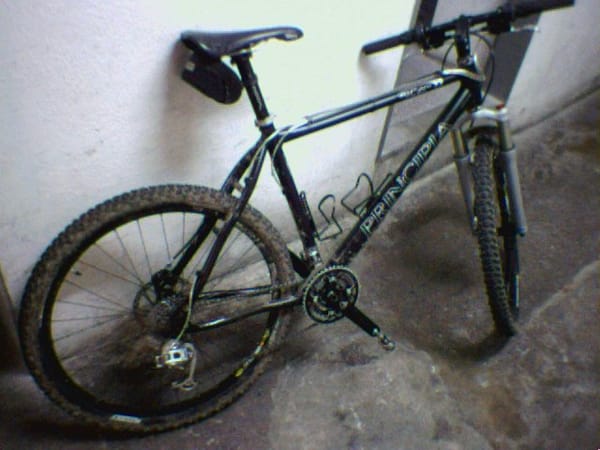

It took more than a decade until I ventured into building my next custom bike. After my Principia was stolen (out of my flat, mind you...!), I was done with custom bikes for a while. Why go into the trouble of hand picking every part, have the emotional attachment to the finished product and spending way more than for an off-the-shelf bike if you can loose it like that? For probably about ¼ of the price of the custom Principia, I got myself a very nice Canyon Grand Canyon with almost the same level of components. I rode it quite a bit and had a lot of fun with it. And then life happened: biking got a backseat and at almost 40 I found myself with a number of pounds too many on my ribs. So: back to biking it was!
However, I didn't go the full-on custom route immediately. First, I revived my Canyon and had a blast rediscovering my local trails. In the years I had not been riding, or riding very little, mountain bike technology had changed massively: full suspension was the default and larger wheels came onto the stage and were here to stay. At the time, it was still unclear if the 27.5'' or 29'' would be the winner. Many bikes were offered with both wheel sizes. It looked like the 29er was winning this race, though, and I found an awesome deal online for my first 29er and first full suspension bike: a Rocky Mountain Element from 2012, a real beauty.
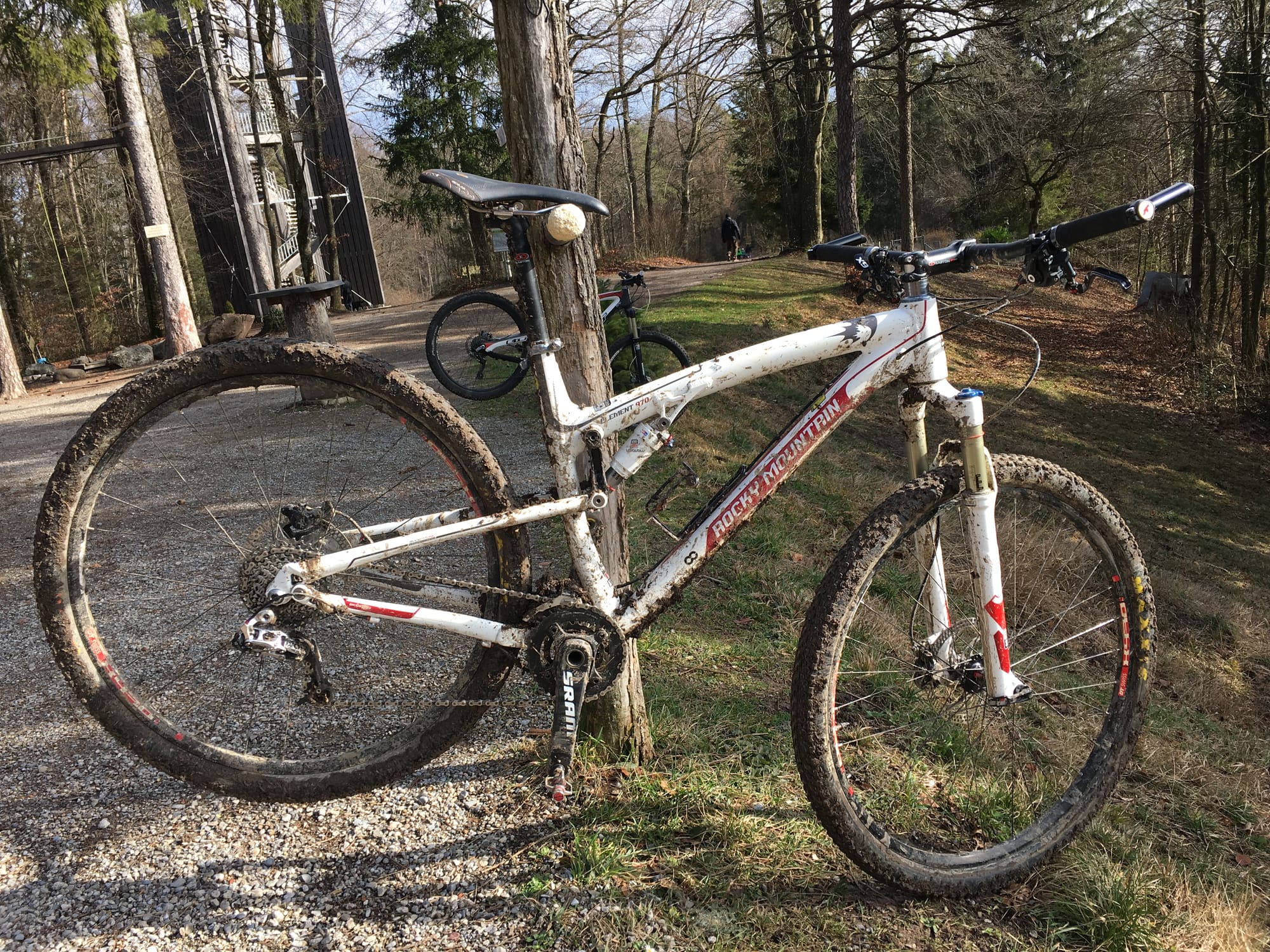
This is the machine that got me back into mountain biking for real. Once I got my Rocky Mountain, I got into the rhythm I have to this day: if I'm not on my bike at least twice a week (often more often), I get really grumpy.
It had to be a Yeti
If you are into mountain biking, there is a small number of really iconic brands. Yeti is one of them. I remember how in the mid 90s I visited a bike fair in Zurich with my friends from the cycling club. Mountain bikes were still a fairly new thing and the brands were experimenting with different frame shapes and materials. As we walked through the booths, the Yeti stand caught my eye. They had a bike based on a grayish frame that looked like from outer space. Like a bike frame, yes, but with rough edges and clearly cast in some mold. They said it was "thermoplastic" and it felt insanely light for a mountain bike.
Also, nobody will ever forget John Tomac on his Yeti...
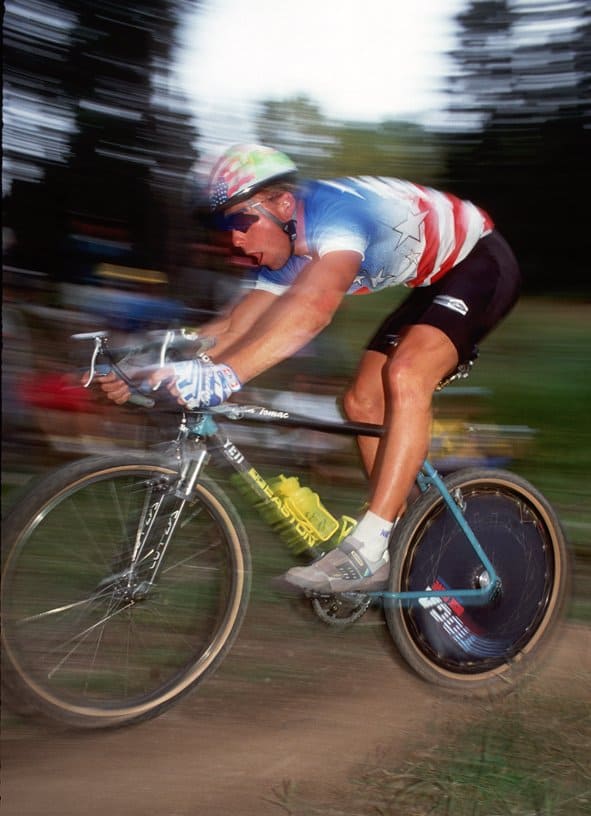
Enough said: the Yeti bug has been implanted since I was a kid.
But still Cross Country
However, Yeti has a strong heritage in Enduro and Downhill and I'm a cross country guy at heart. And when I started dreaming up my new bike in late 2016, they were coming top with their SuperBikes (SBxyz) championing their infinity link. Too much travel, too heavy.
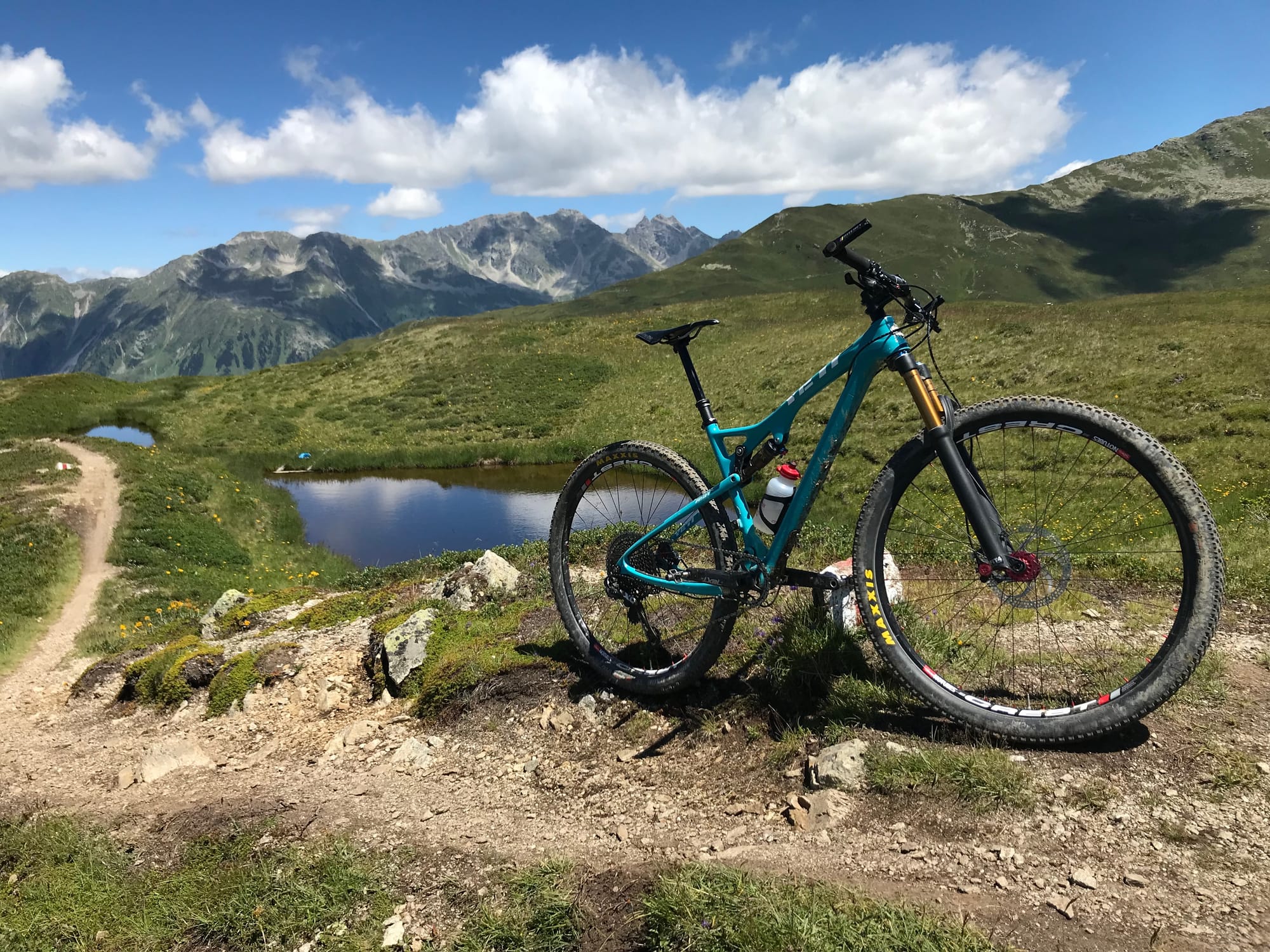
But there was one bike in their line-up and it had been called "cross country with Enduro genes" by one magazine: The Yeti ASRc. simple, elegant, light but still capable on the descent. And obviously in the Yeti turquoise. Eye watering.
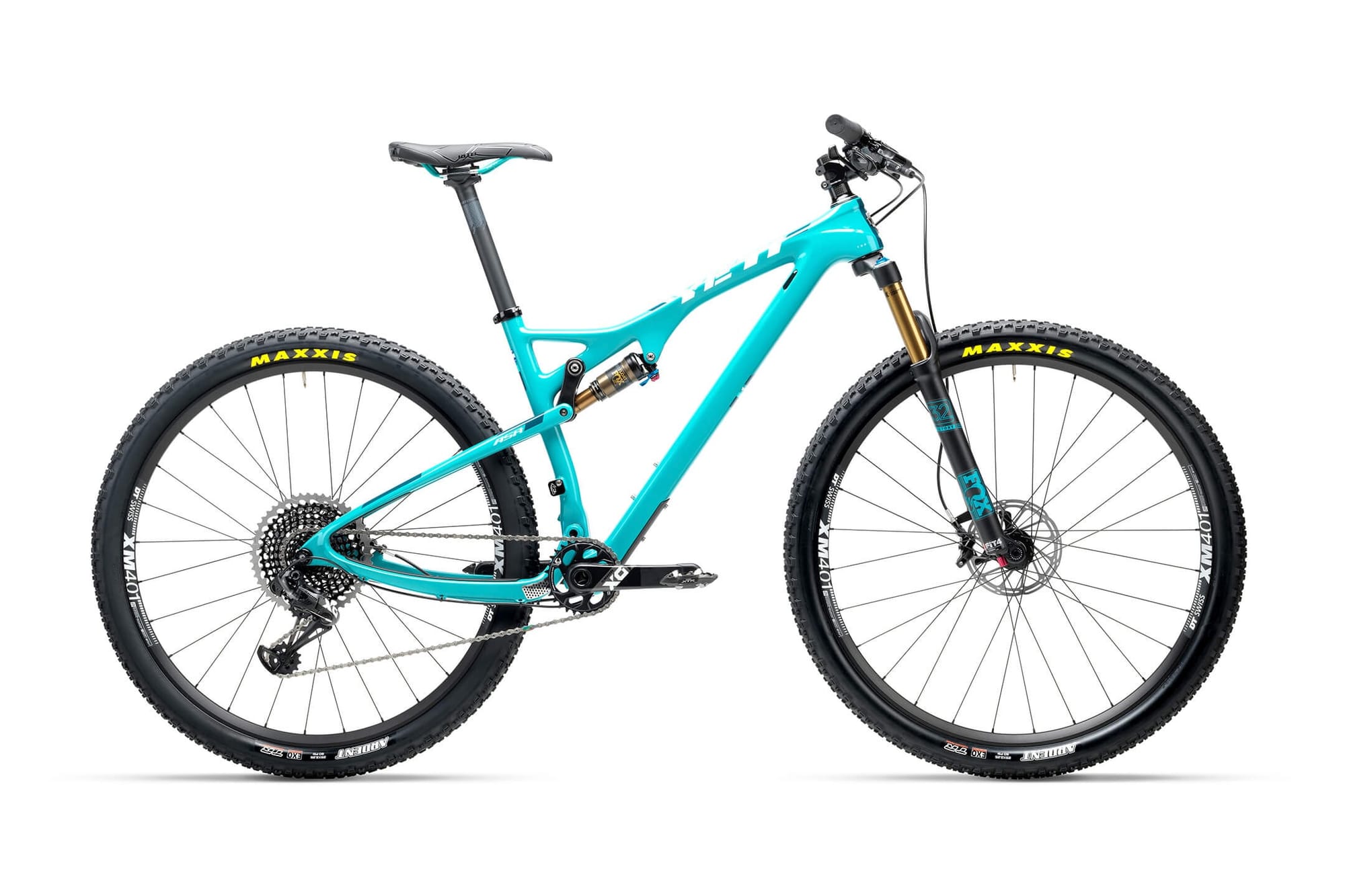
This had to be a glorious build. Every piece hand picked, only the best parts. And light.
SRAM for the win: innovation and bold strategy
One thing was clear from the get go: no Shimano, SRAM only. While for my Principia and then the Canyon that was more of a niche choice (with Gripshift even!) and rooted in my preference for the small upstart, by 2015 SRAM was the clear innovator in the mountain bike industry.
In 2005 all mountain bikes still came with 3 chainrings on the crankset: heavy, a pain or actually near impossible to shift under load and less than elegant. By the time I was building my Yeti, it was clear that one chain ring is enough. SRAM who had started this revolution by first going 2x10, then 1x11 had just released their 1x12 Eagle drive train. This jump took Shimano another 2 years and even then they were still hedging their bet all the way to 2020 by offering both 1x and 2x drive trains. Not only was SRAM innovating at a higher pace but it was also more clear in its strategy: they bet it all on "1-by" and within only a couple of years the 1x12 drive train would trickle down to the most affordable groupsets and started to show up on bikes at every price point. Speed of innovation and bold strategic vision!
Anyway, for me it was clear: with the 12-speed cassette range was not a reason against 1x any more. Furthermore, not having a front derailleur is a huge win in simplicity which improves the drive train both functionally and aesthetically. Another "Apple vs. Microsoft" moment right there: SRAM's philosophy and strategic prowess also appealed to my business & tech mind.
Light Parts & Tom Ritchey Homage
For brakes I went Italian, a small nod to my heritage. I loved the Formula R1s on my Rocky Mountain and they were also one of the lightest breaks on the market. Nice CNC machining and some real bite for such a small XC brake.
For the crankset it was about choosing the lightest and stiffest. I first had the Tune Black Foot Crabon crankset on my list and even already ordered. It sounded like from some bike tuning science fiction: knitted carbon fibers baked into one of the lightest cranksets out there. But it looks like they had some production challenges and stopped producing them before I could get mine. The alternative to that was less unique but still very light and nice looking in its raw carbon beauty: the RaceFace Next SL.
The cockpit would be an homage to Tom Ritchey, one of the inventors of mountain biking. When Nino Schurter was getting ready for his Olympic title in Rio, Scott created a video series showing his path to the race. One of the episodes was about going back to the beginning of mountain biking and meeting one of its legends: Tom Ritchey. The best scene is how Nino, Tom and another legend, Thomas Frischknecht, go out for an epic ride on the Skyline Ridge, where Tom lives and has his workshop. They just go out onto the trails and have fun, this is pure mountain biking emotion! So, Ritchey cockpit it was, top-of-the shelf WCS handlebar, stem and even bar ends. Those were the times... I have no idea what the bar ends really were for, I haven't missed them for a second since going bar end-less years ago.
Nino going back to the origin of mountain biking: meeting one of it legends Tom Ritchey and going out for a ride with him and Thomas Frischknecht. Actually, three legends!
Building & Maiden Ride
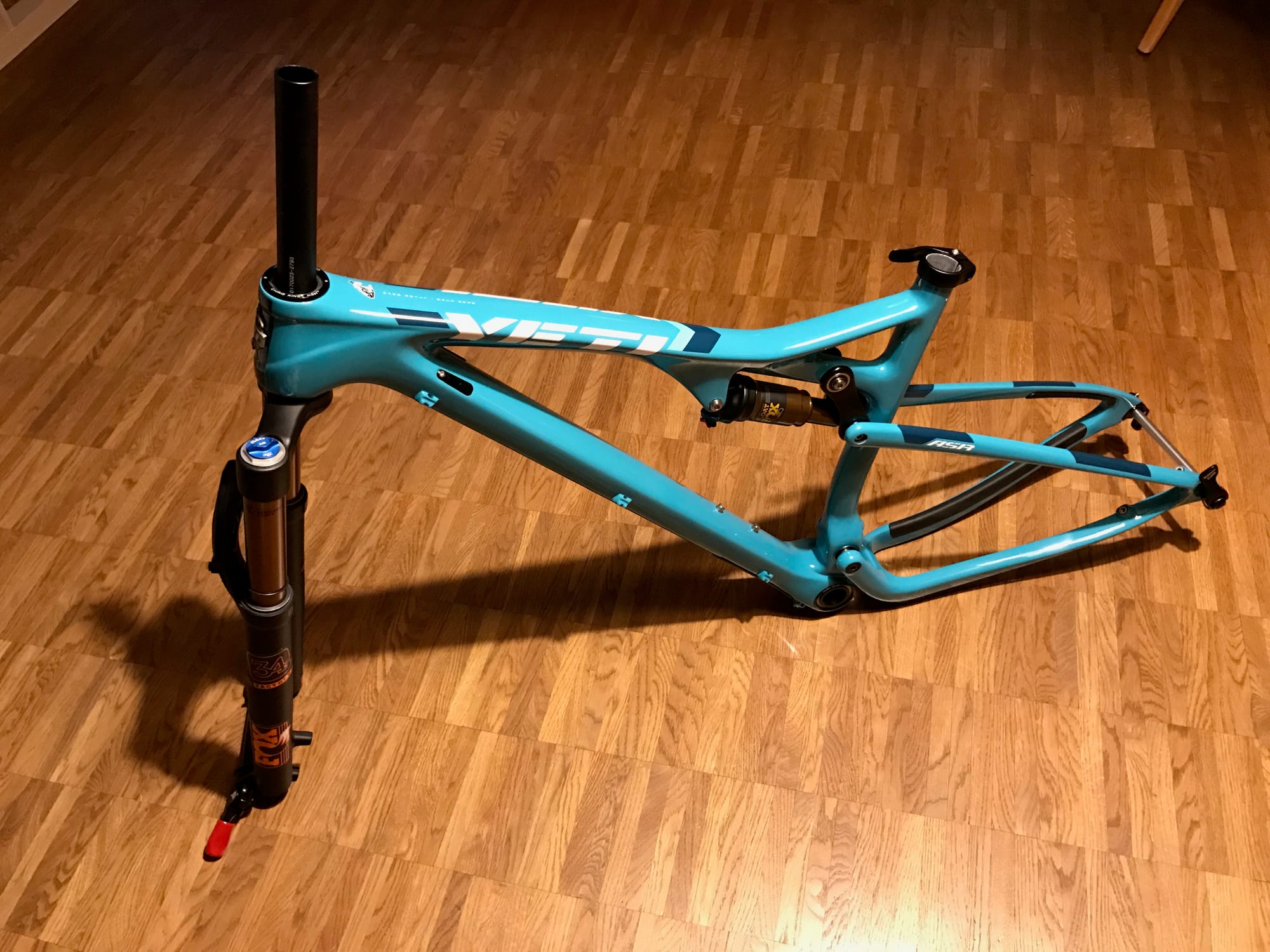
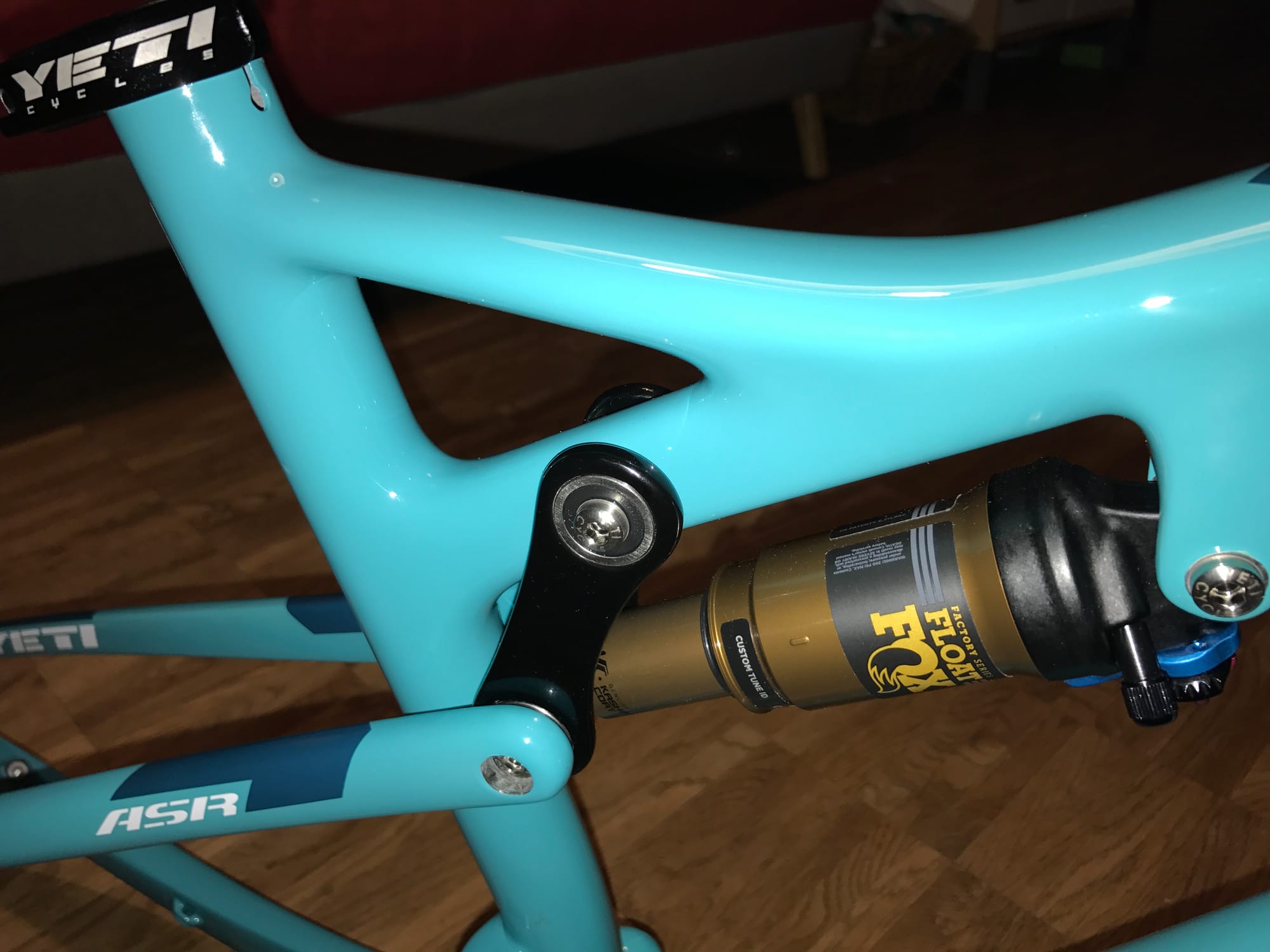
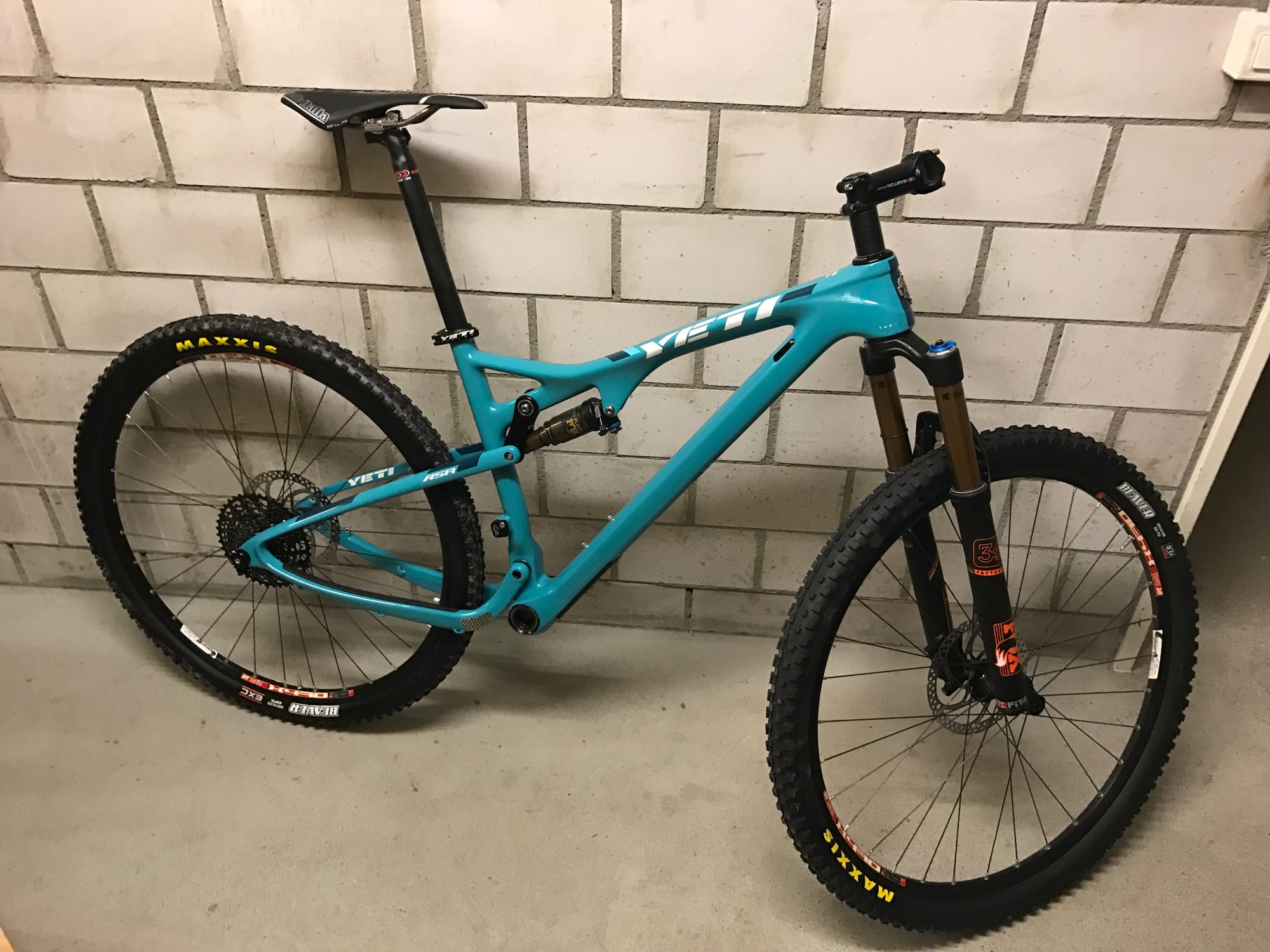
So, after more than 20 years it was back to building my own bike, and a mountain bike: a first for me. Pulling in the fork, cutting it to the right height and adjusting sag. Internally routed cables for the first time - good that Yeti had well laid out cable guides for the routing.
I also wanted to do everything possible for my dream bike to stay as beautiful as it was for as long as possible. For this I went through a laborious extra step: wrap the entire frame with transparent frame protection from Invisiframe. They offer precisely cut transparent frame protection stickers that cover 90% of the frame. For that you have go through a 2-3 hour process of spraying your frame and then every sticker before applying with a soap/water mix. This makes sure you can position the sticker on the right spot and move it a little bit - soap & water, duh - until it's perfectly aligned. Then take the included squeegee, squeeze out the water below the sticker and make sure no air bubbles remain entrapped below. The result was great: near invisible but great protection.
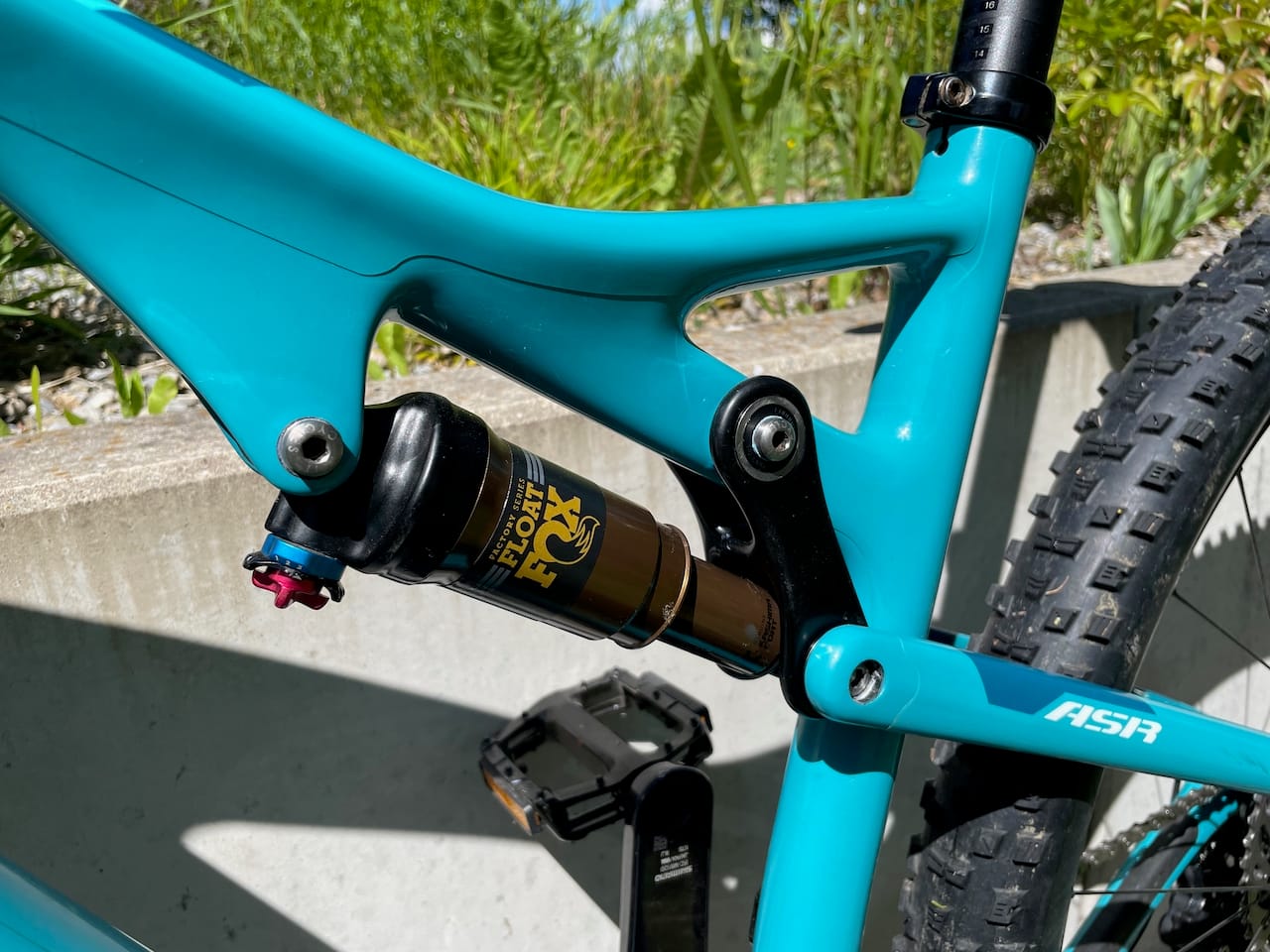
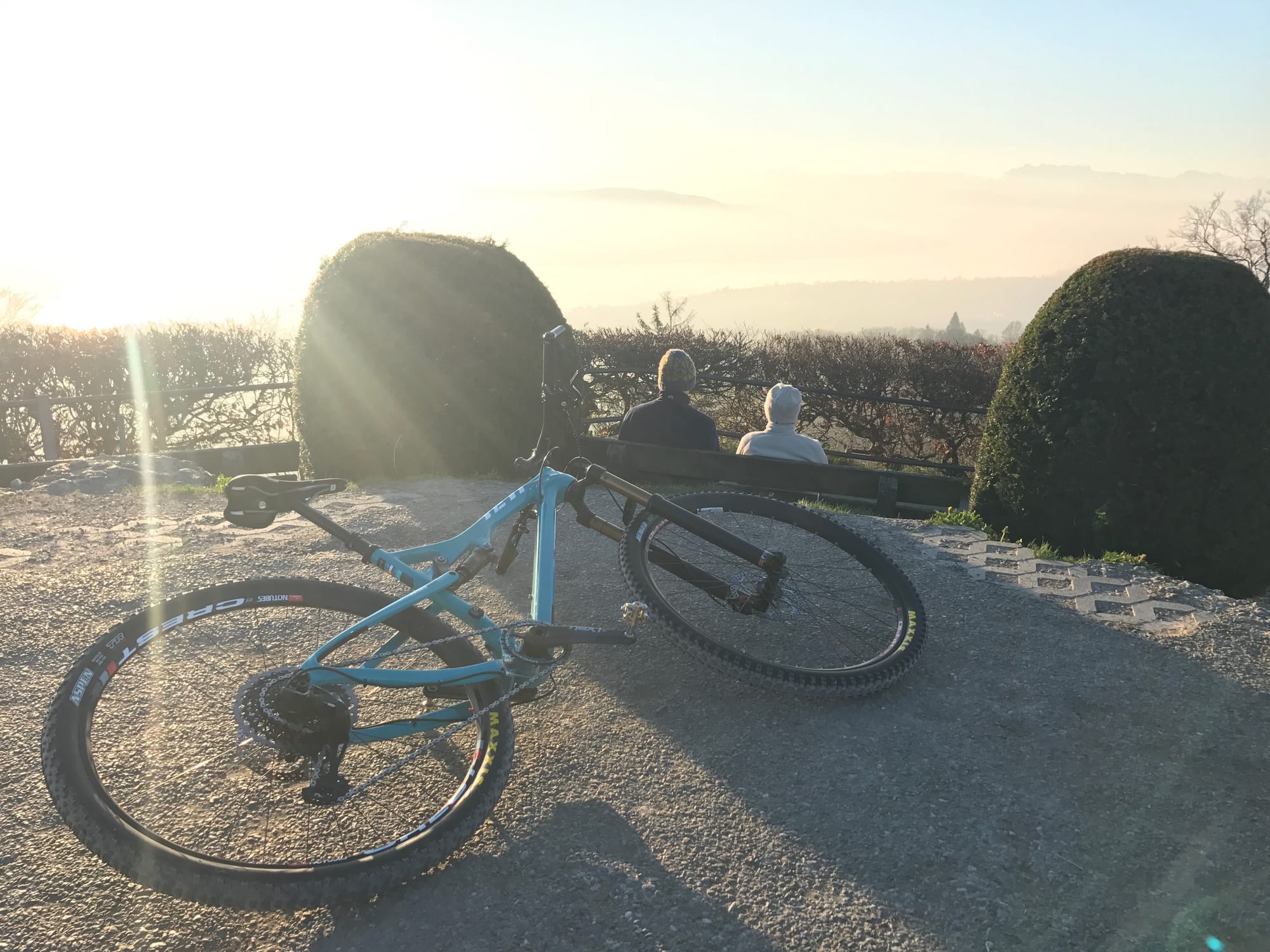
So, piece after piece the bike took shape until it was ready to rock. Just to be on the safe side, I brought it to the mechanic to give it a check-over. On April 8th I was ready for the maiden ride. And it was just meant to be a morning ride with a stunning sunrise on the Uetliberg.
Ongoing tuning and updates
But a bike can always be tuned further and made even more incredible. Also, technology advances.
Let's go for tech first: after 1 ½ years of riding the Yeti, reports were surfacing of Nino Schurter riding a revolutionary new wireless shifting technology from SRAM. I pieced every picture and information of the stealth technology together and was only waiting for the moment it would be available for us mere mortals. Instant gear changes, shifting cables gone and consistent shifting every time - I couldn't wait! So, when in spring 2019 it was made available, I was probably one of the first ones in Switzerland ordering it. Bike bling married with tech, what could be a better match for me?
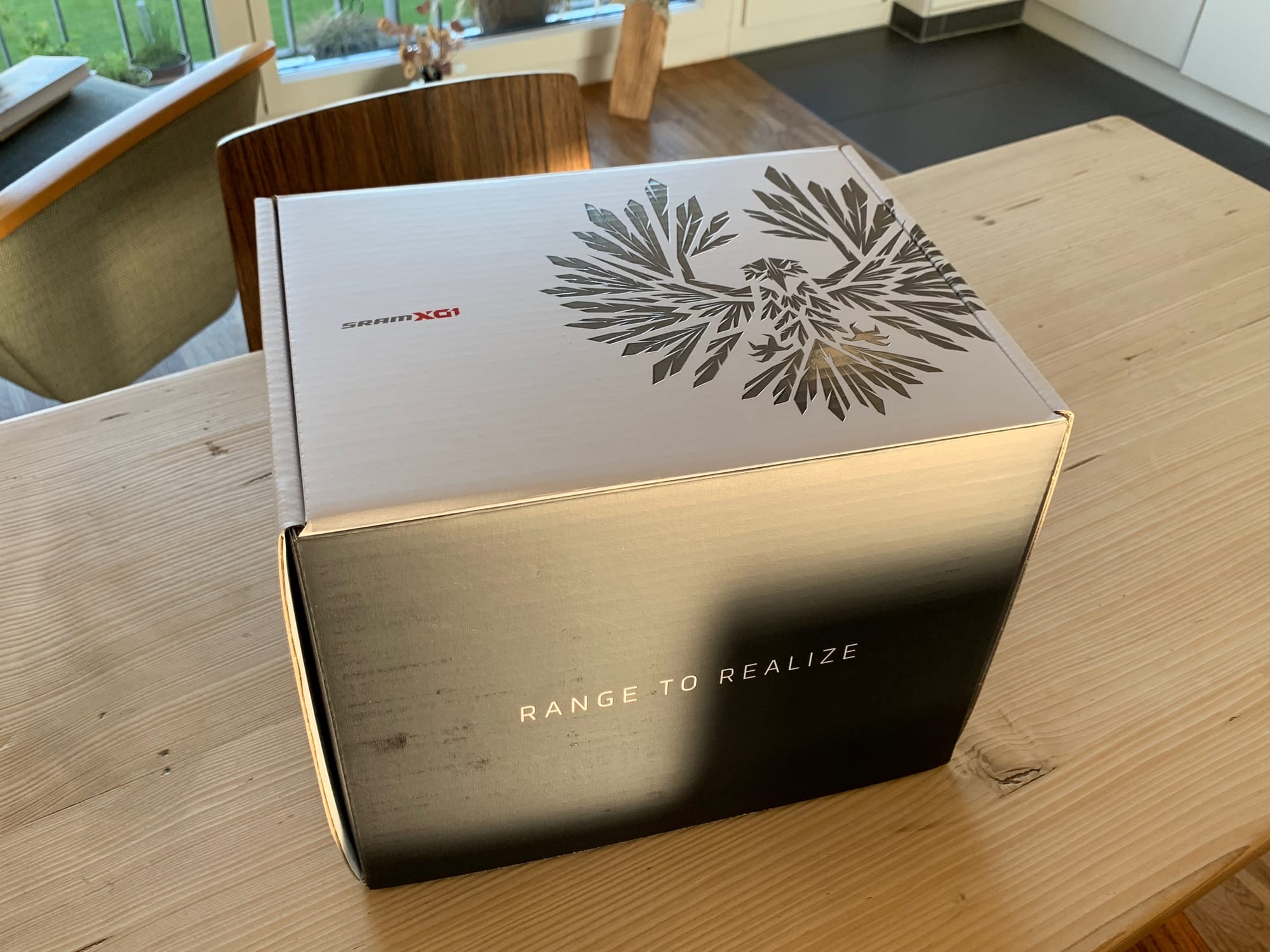
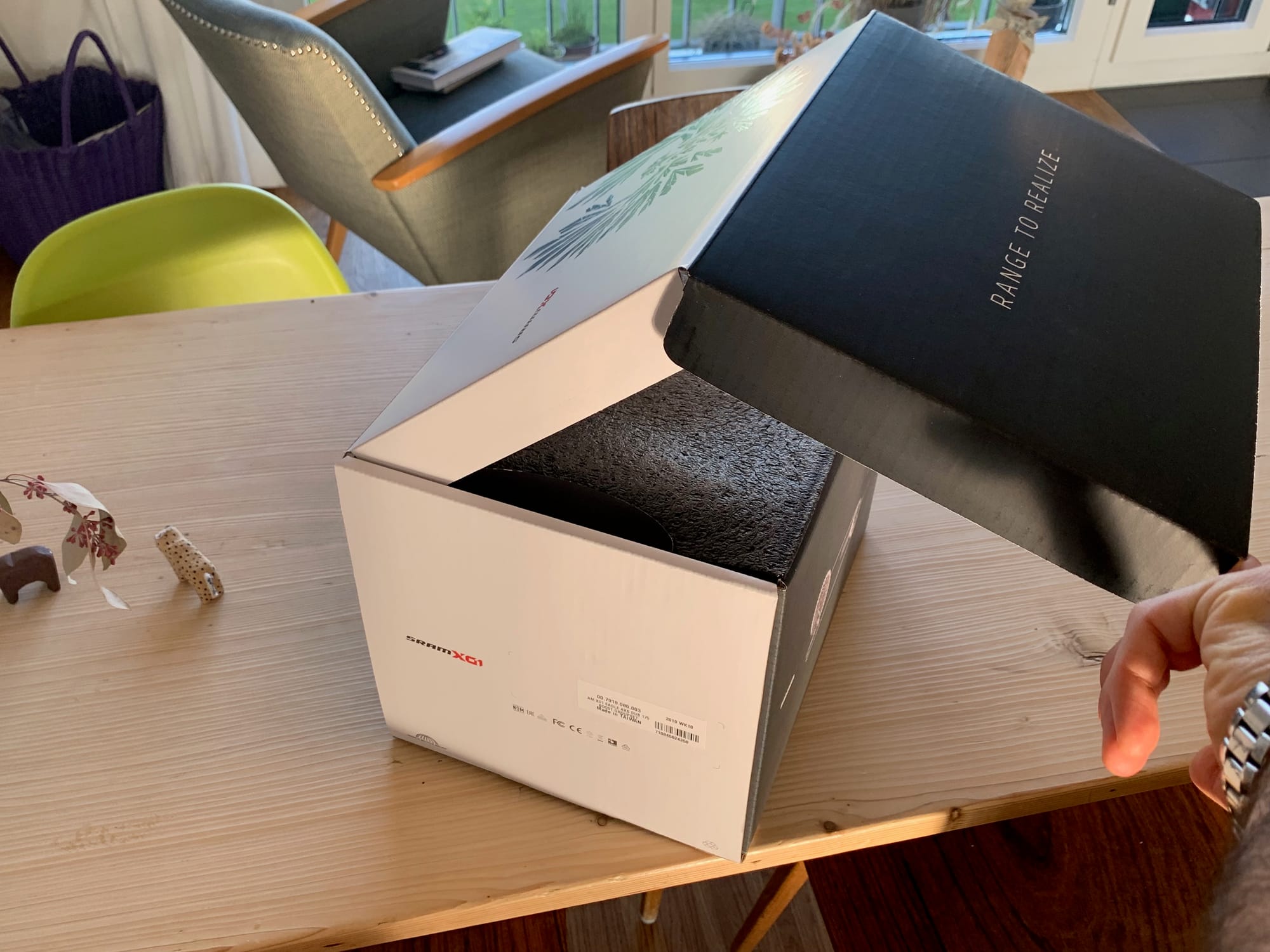
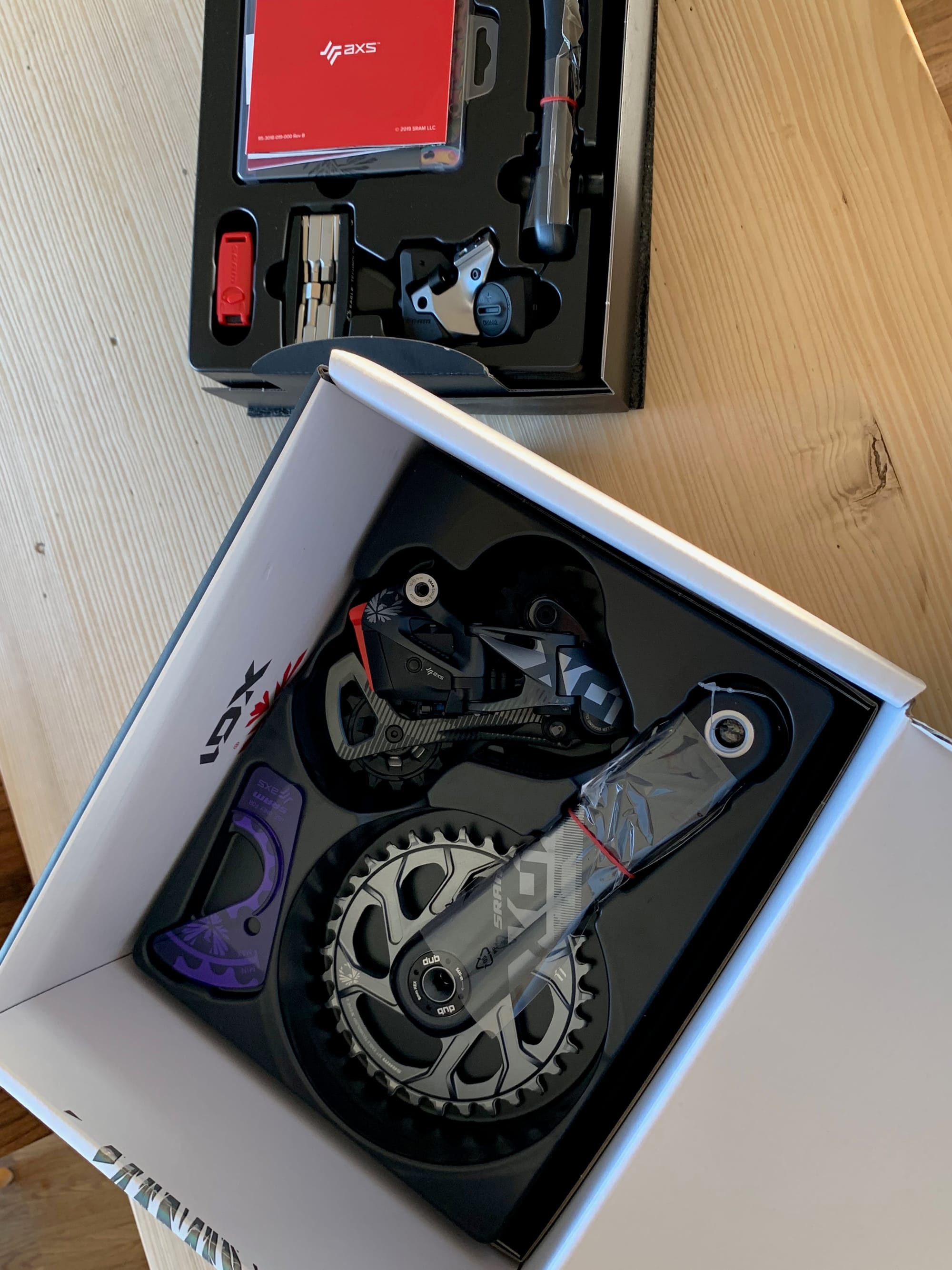
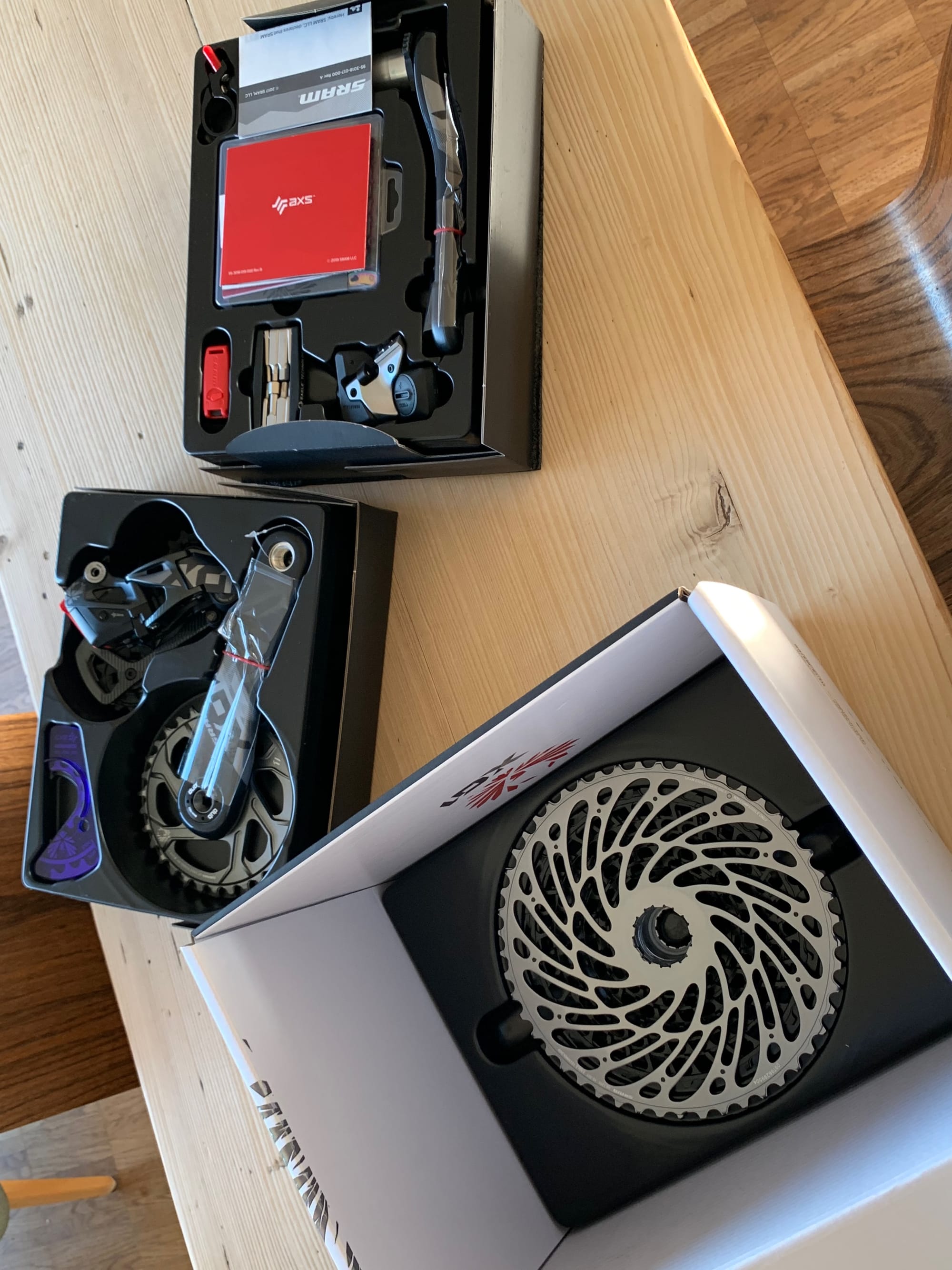
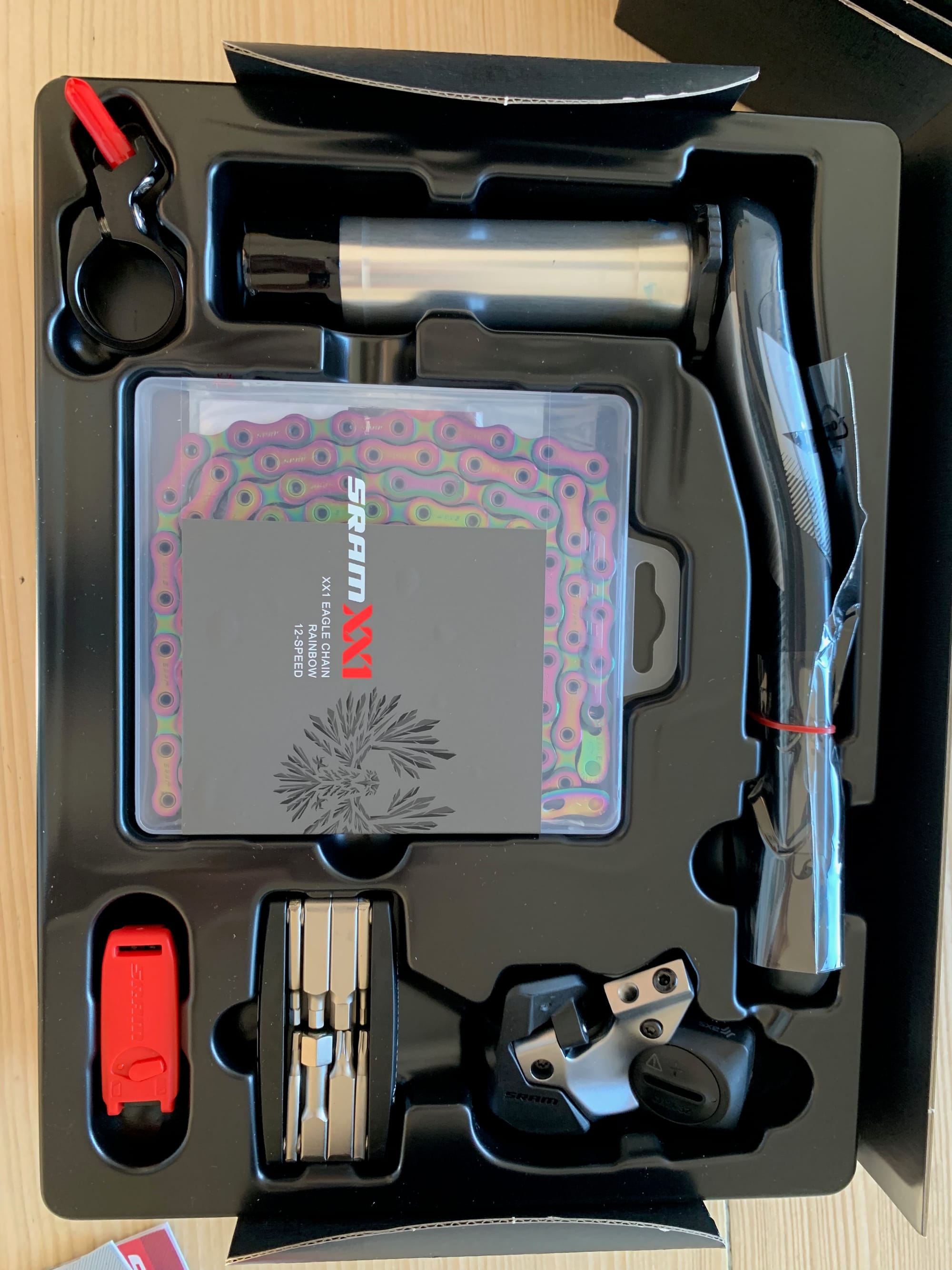
SRAM Eagle AXS unboxing: I was probably one of the first in Switzerland to get this
Since then I have shifted (see what I did here...?) all my bikes to a wireless drive train and I'm a huge fan. It's robust for anything you through at it on trails and even though I usually have a spare battery with me, it was never actually necessary.
The next change on my bike wasn't planned. One day riding down the Höckler Trail (before it was rebuilt) I hit something with my left pedal and snap: the pedal broke off. My beautiful RaceFace Next SL broken ☹️
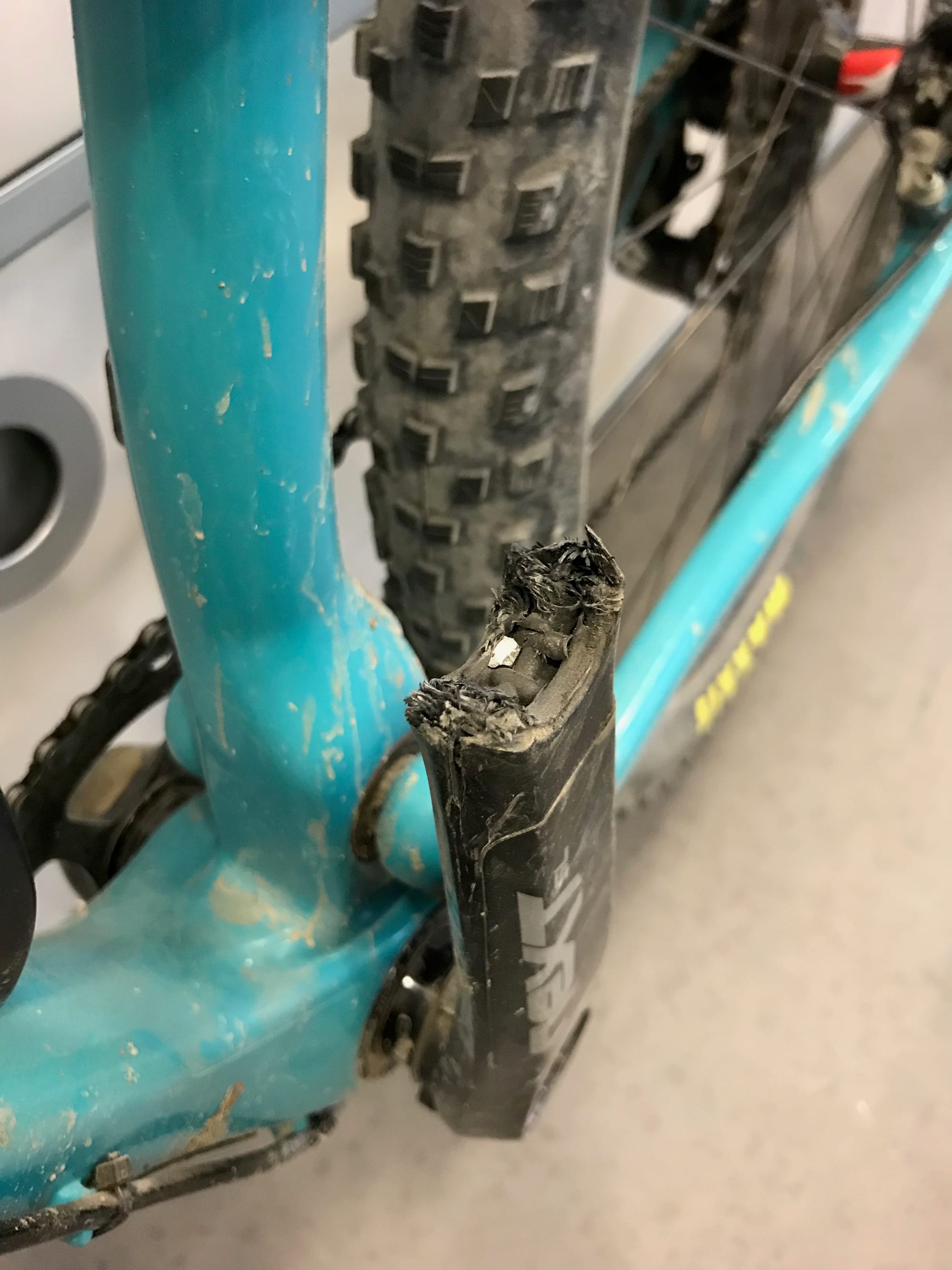
Luckily, the RaceFace customer service is stellar: my bike shop got a new one. But they made a mistake: they ordered and a Next R. First I was furious: +50g, crazy...! However, that crank has been with me for 8 years now and is installed on its 3rd bike. This part is the bomb.
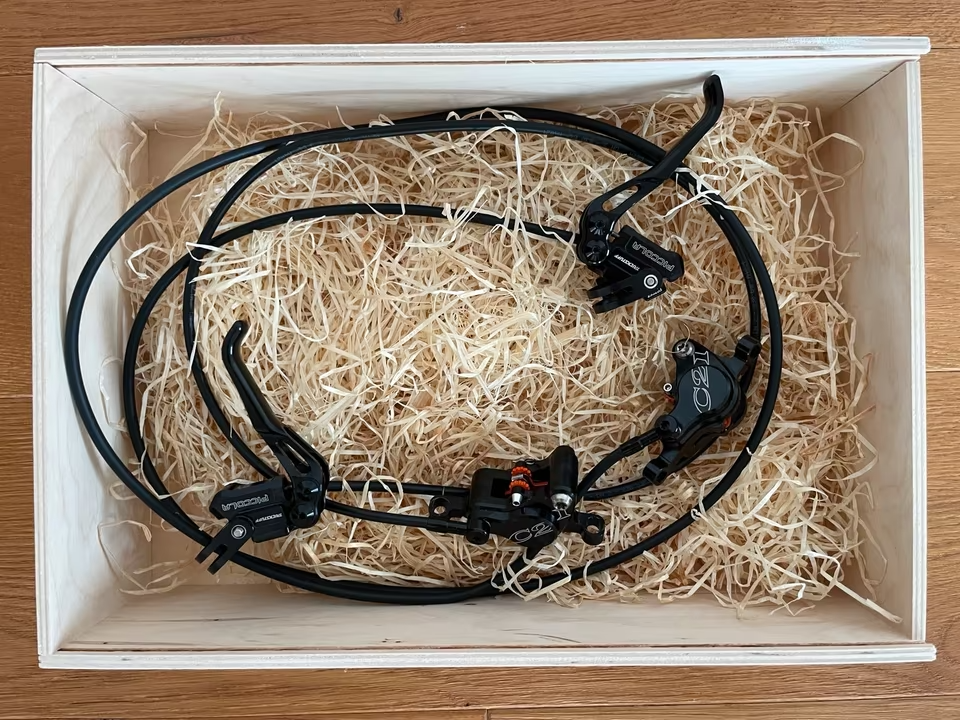
Next up: the lightest disc brakes out there. Built by a small German manufacturer in Freiburg im Breisgau, the Trickstuff Piccola is a masterpiece of CNC milling and miniaturization. It's small, elegant but surprisingly powerful. Delivered in a classy wooden box nicely laid out on a bed of wood wool, the packaging was certainly up to the level of the parts. It's a bit finicky to bleed and I've had some problems with it. But overall it's still one of the nicest pieces on my bike as I've carried these brakes as well through to my third bike now.
On the way, I also threw in a carbon wheel update with rims from a small local manufacturer in Zurich - Gin Rims. Not even sure, he still produces them. They're beautiful anyway.
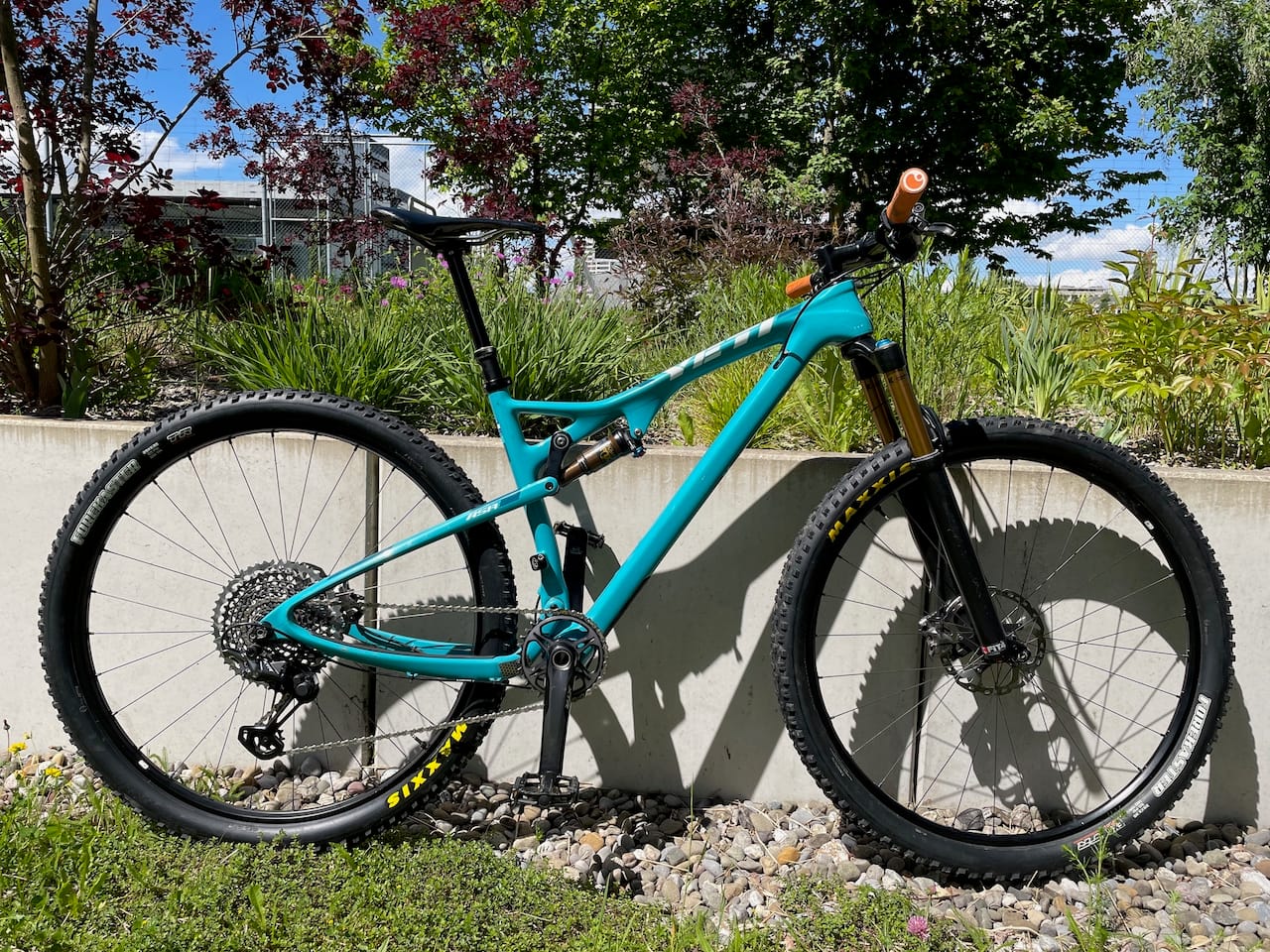
This is the parts list of the original Turquoise Snowman and after the updates listed above.
| Part | Original | Today |
|---|---|---|
| Frame | Yeti ASRc, size M | Yeti ASRc, size M |
| Fork | Fox 34 Float Elite 130mm | Fox 34 Float Elite 130mm |
| Rear Shock | Fox Float Elite | Fox Float Elite |
| Headset | Chris King | Chris King |
| Handlebar | Ritchey WCS Flatbar Carbon with WCS bar ends | Ritchey WCS Flatbar Carbon |
| Stem | Ritchey WCS | Ritchey WCS |
| Dropper post | Fox Transfer Performance Elite 150mm | Fox Transfer Performance Elite 150mm |
| Saddle | Selle Italia Flite SLR | Selle Italia Flite SLR |
| Rear derailleur | SRAM Eagle X0 | SRAM AXS X0 |
| Shifters | SRAM Eagle Trigger X0 | SRAM Eagle AXS Controller |
| Cassette | SRAM Eagle X0 10-50 | SRAM Eagle X0 10-50 |
| Brakes | Formula R1 | Trickstuff Piccola |
| Crankset | Race Face Next SL | Race Face Next R |
| Bottom bracket | Chris King | Chris King |
| Pedals | Ritchey WCS | Ritchey WCS |
| Wheelset | DT Swiss 240 with Stan's Crest rims | Industry 9 Hydra & Gin Carbon Rims |
| Tyres | Maxxis Aspen | Maxxis Forekaster |
Epic rides and 244k meters of elevation
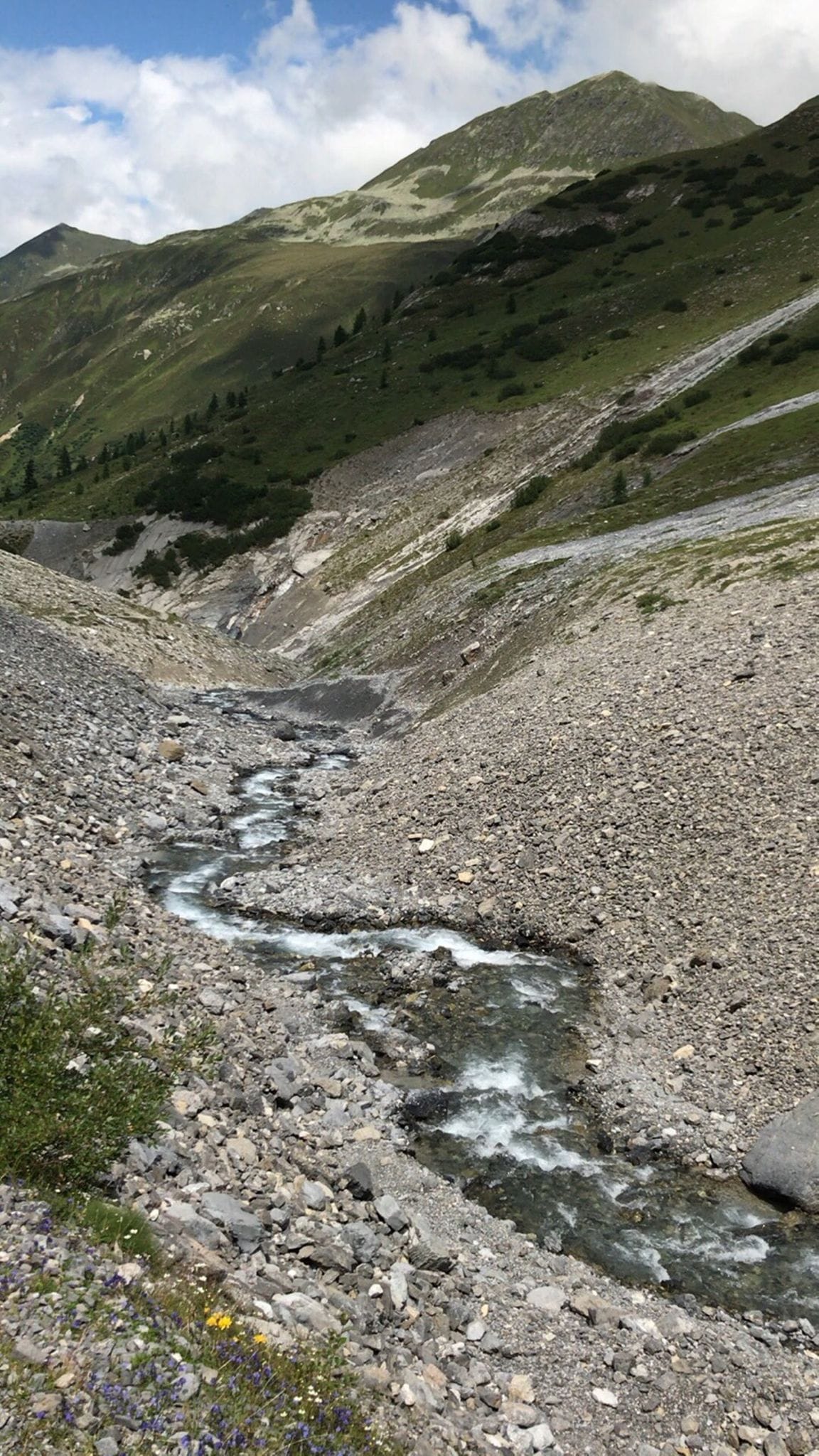
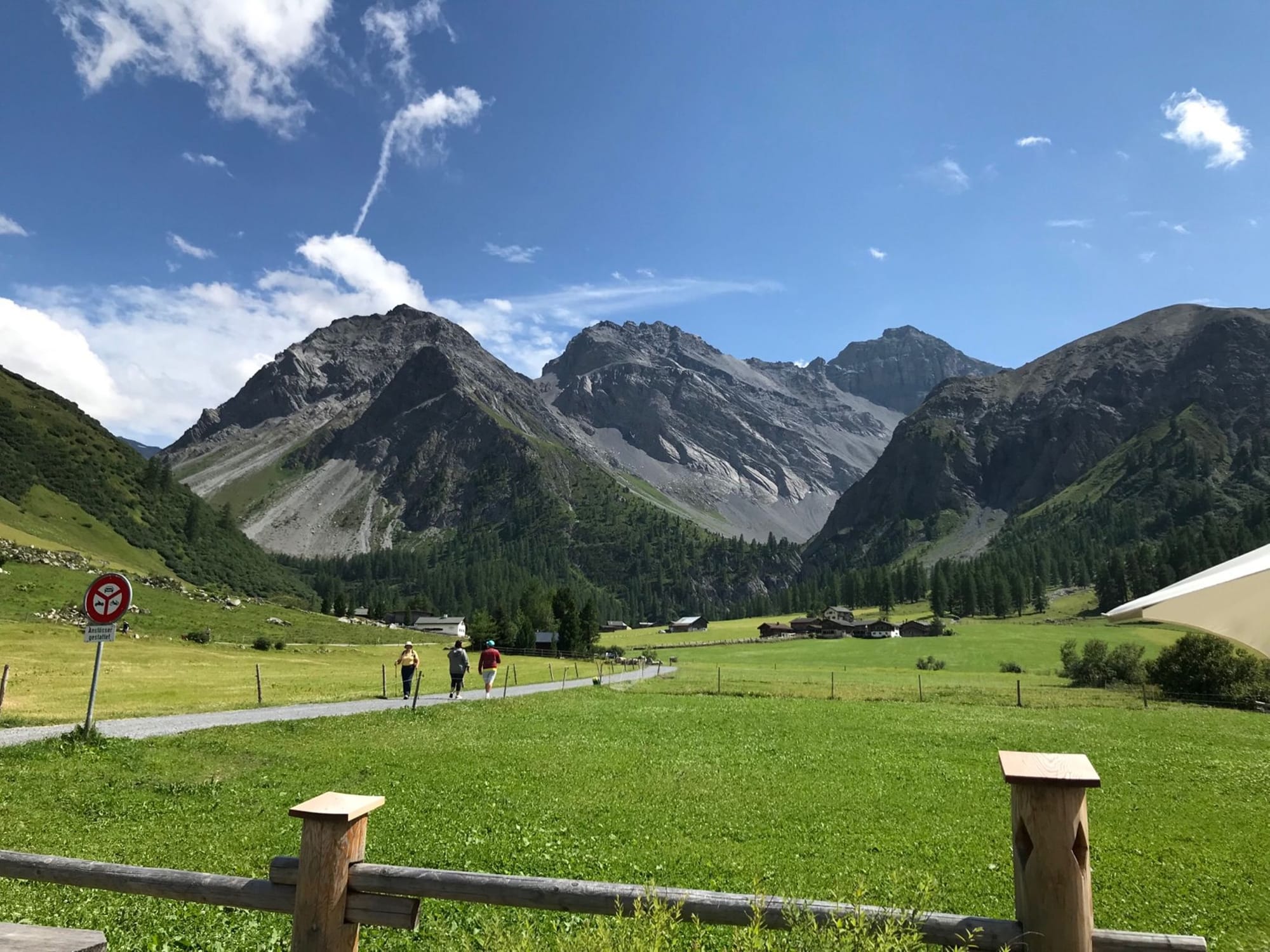
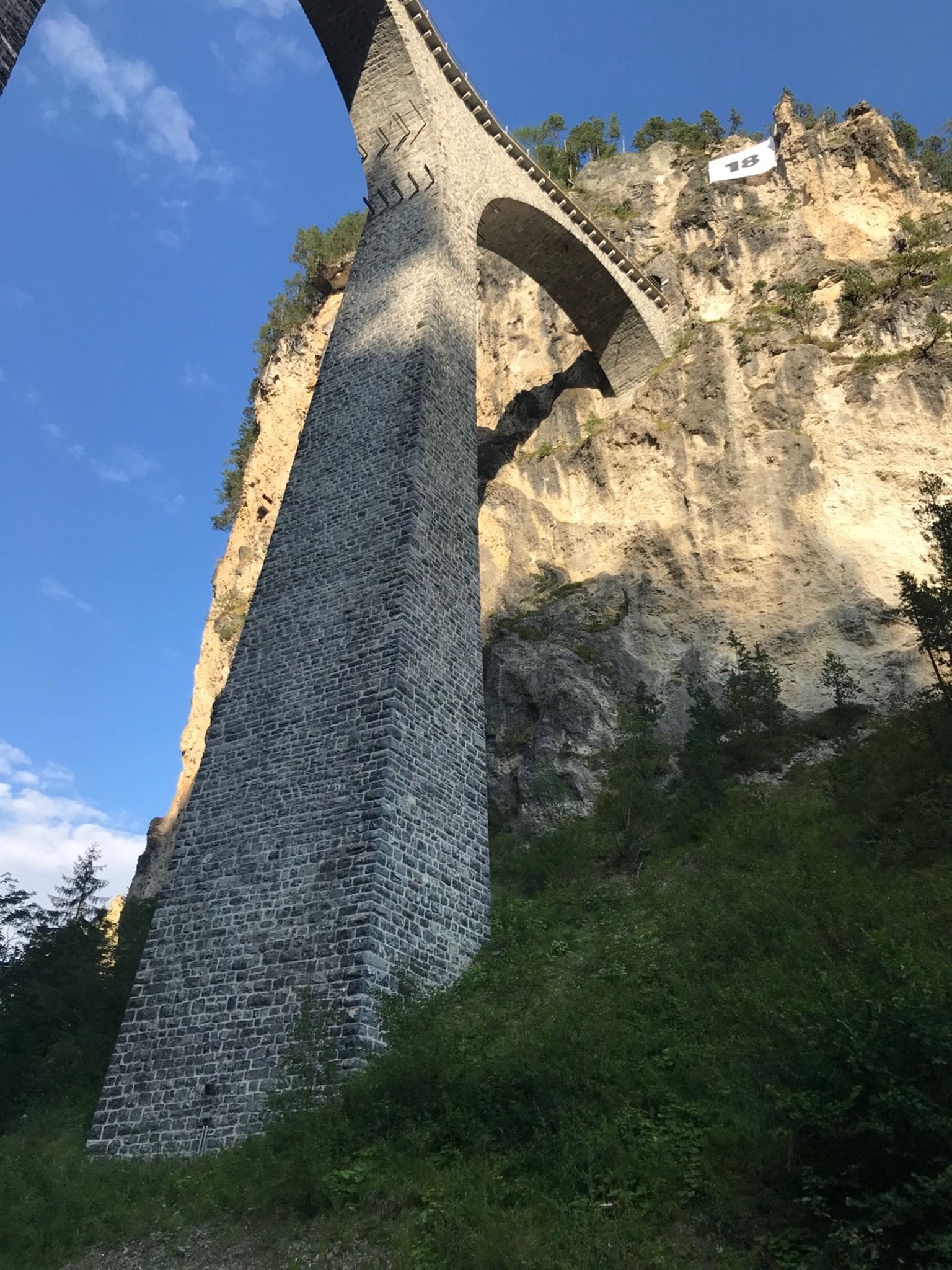
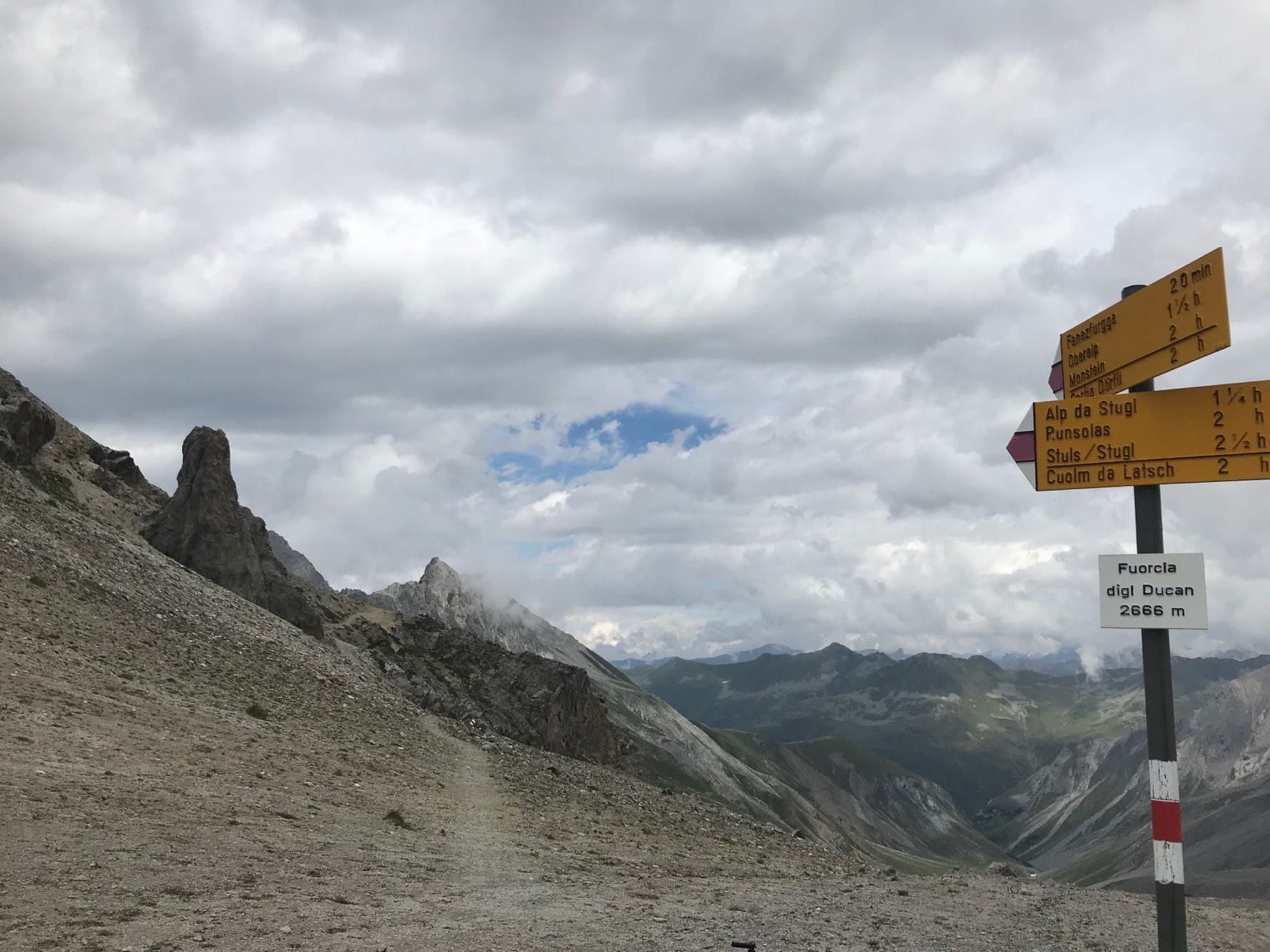
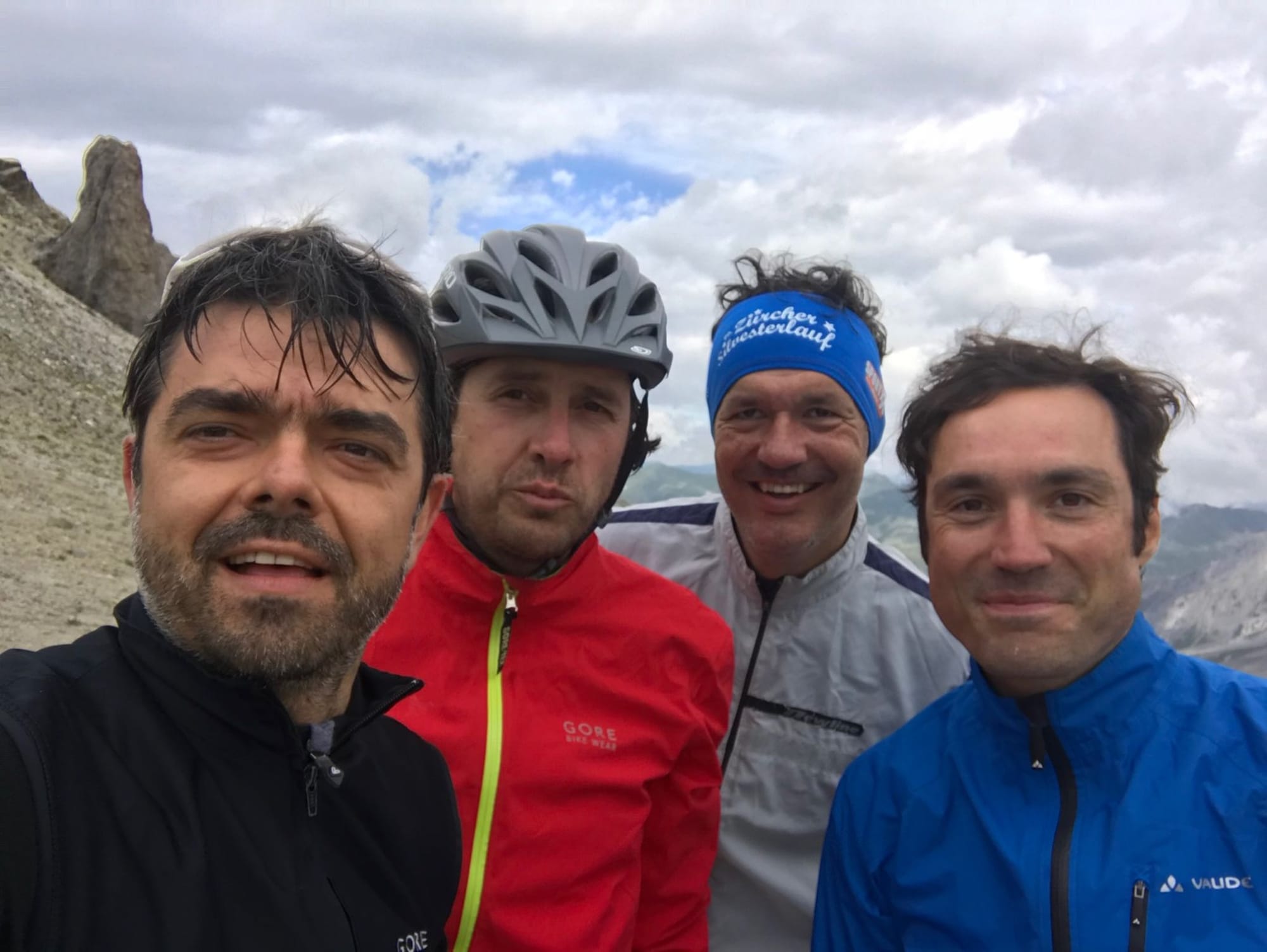
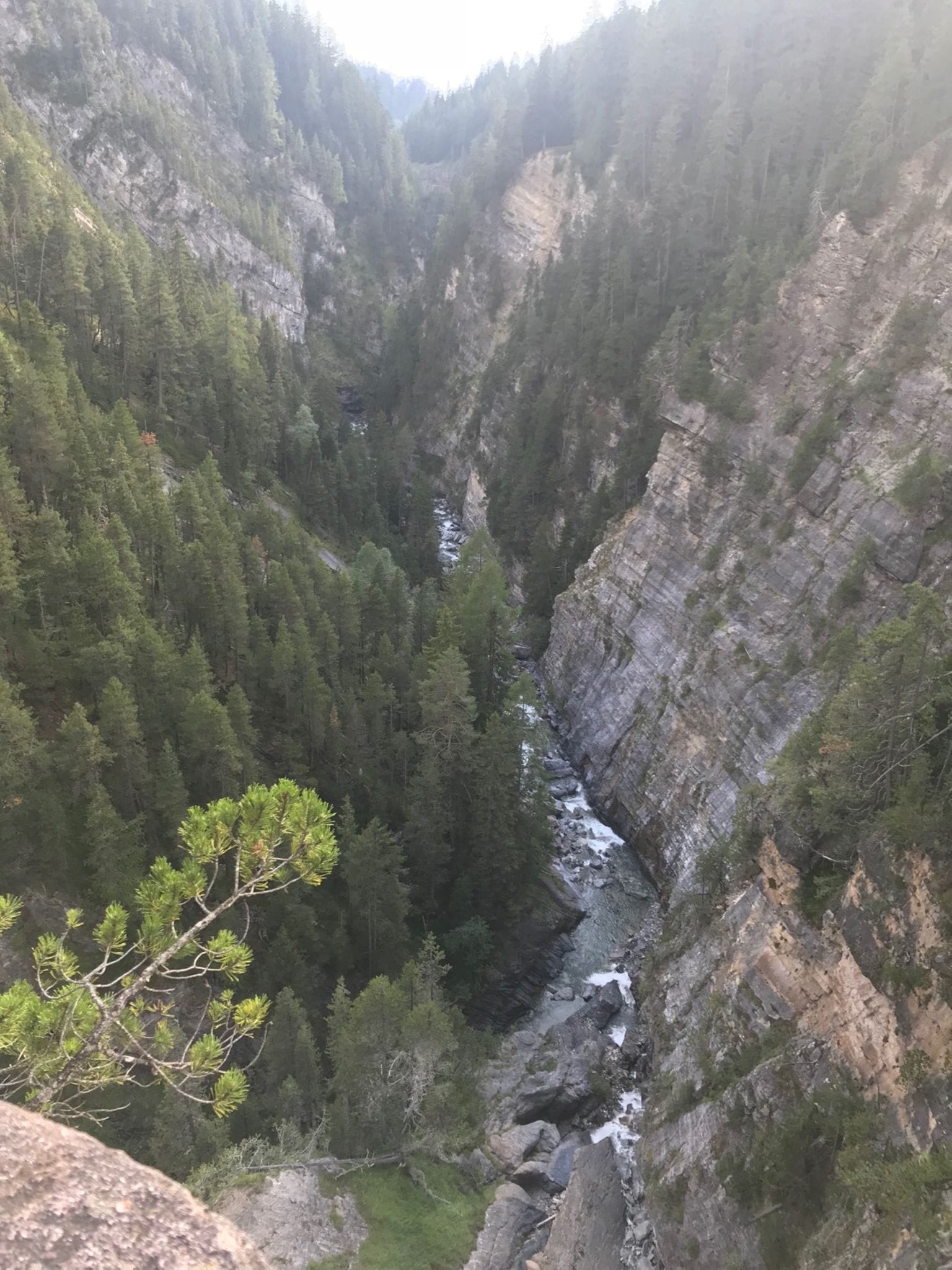
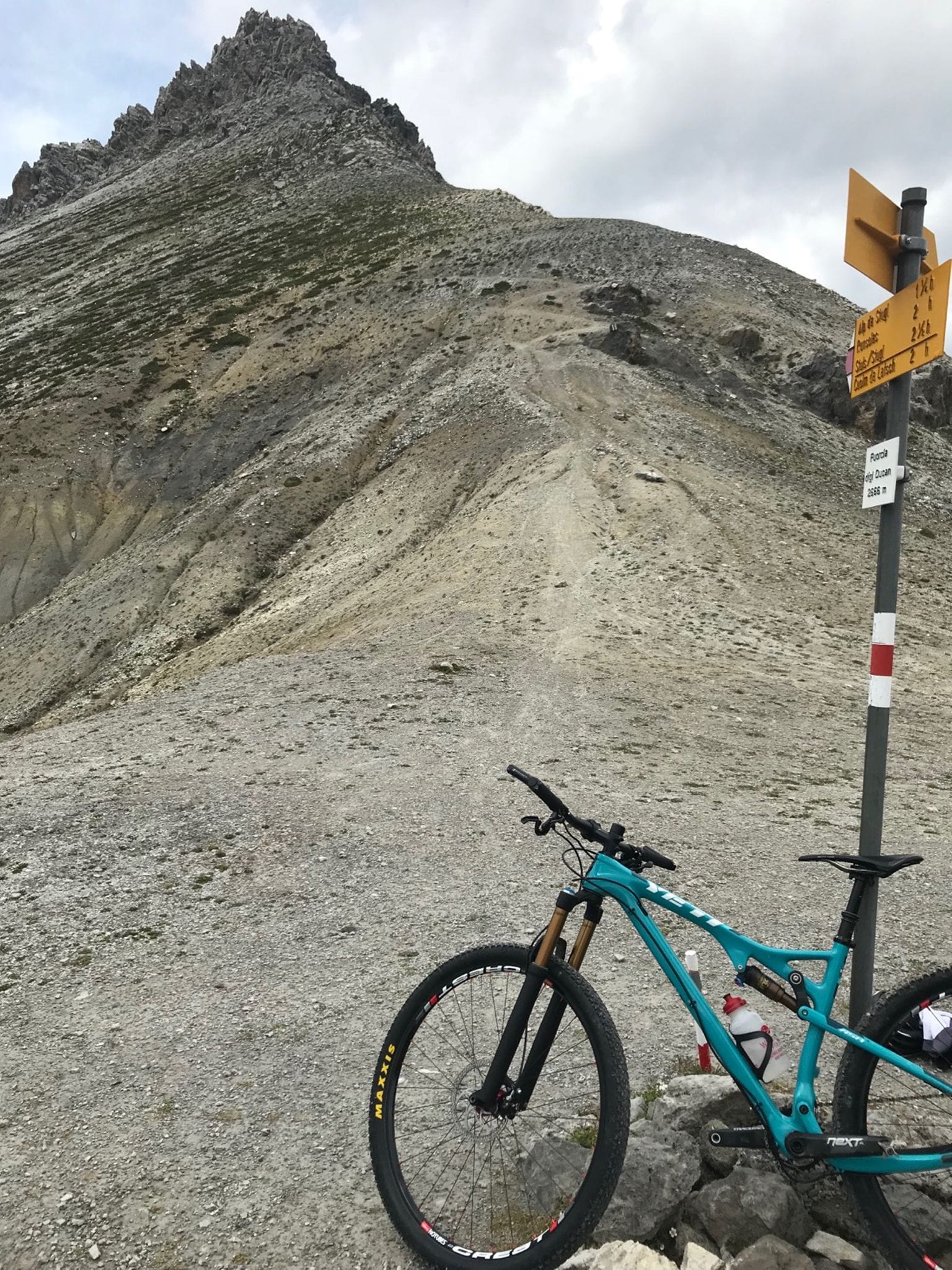
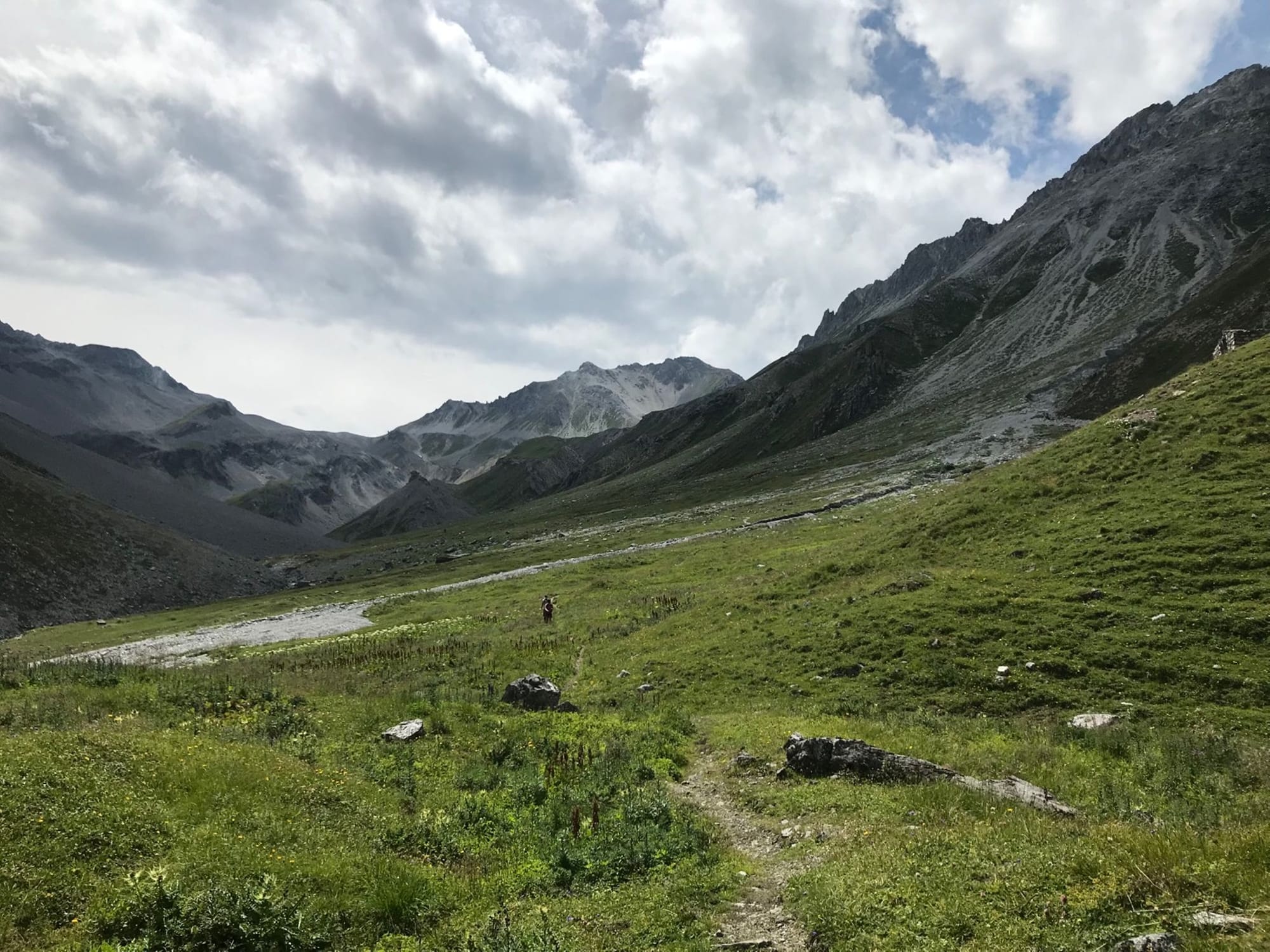
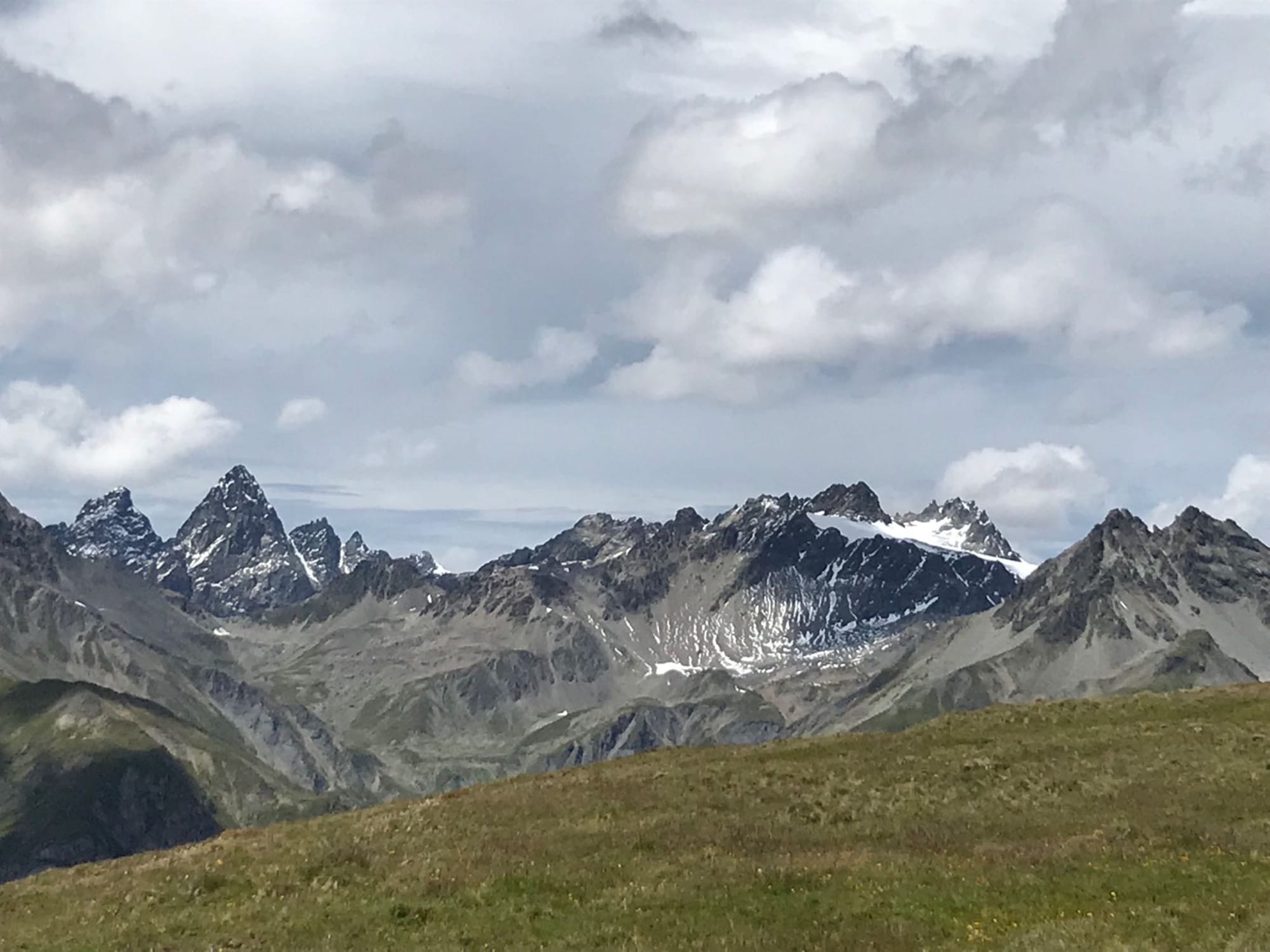
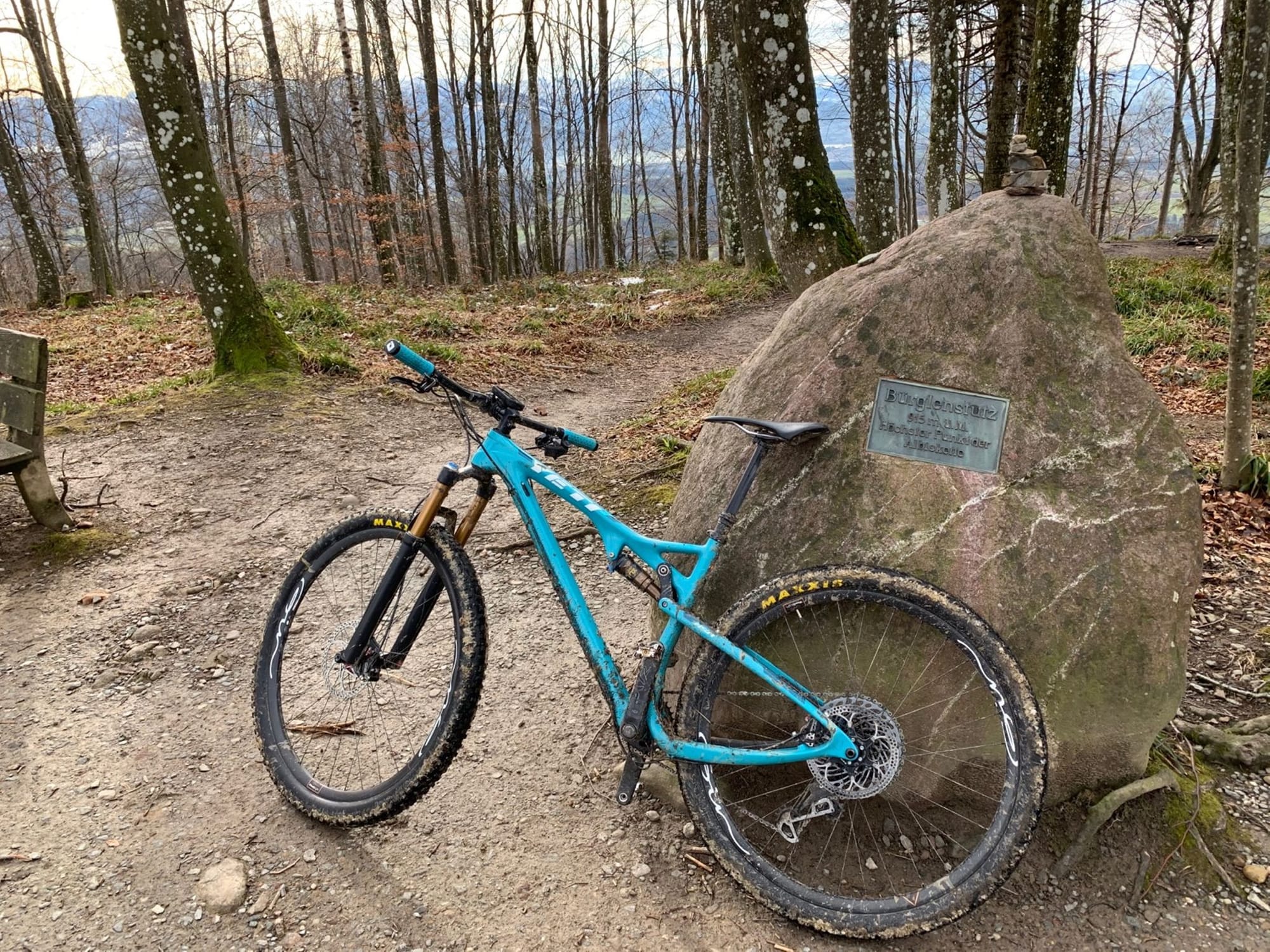
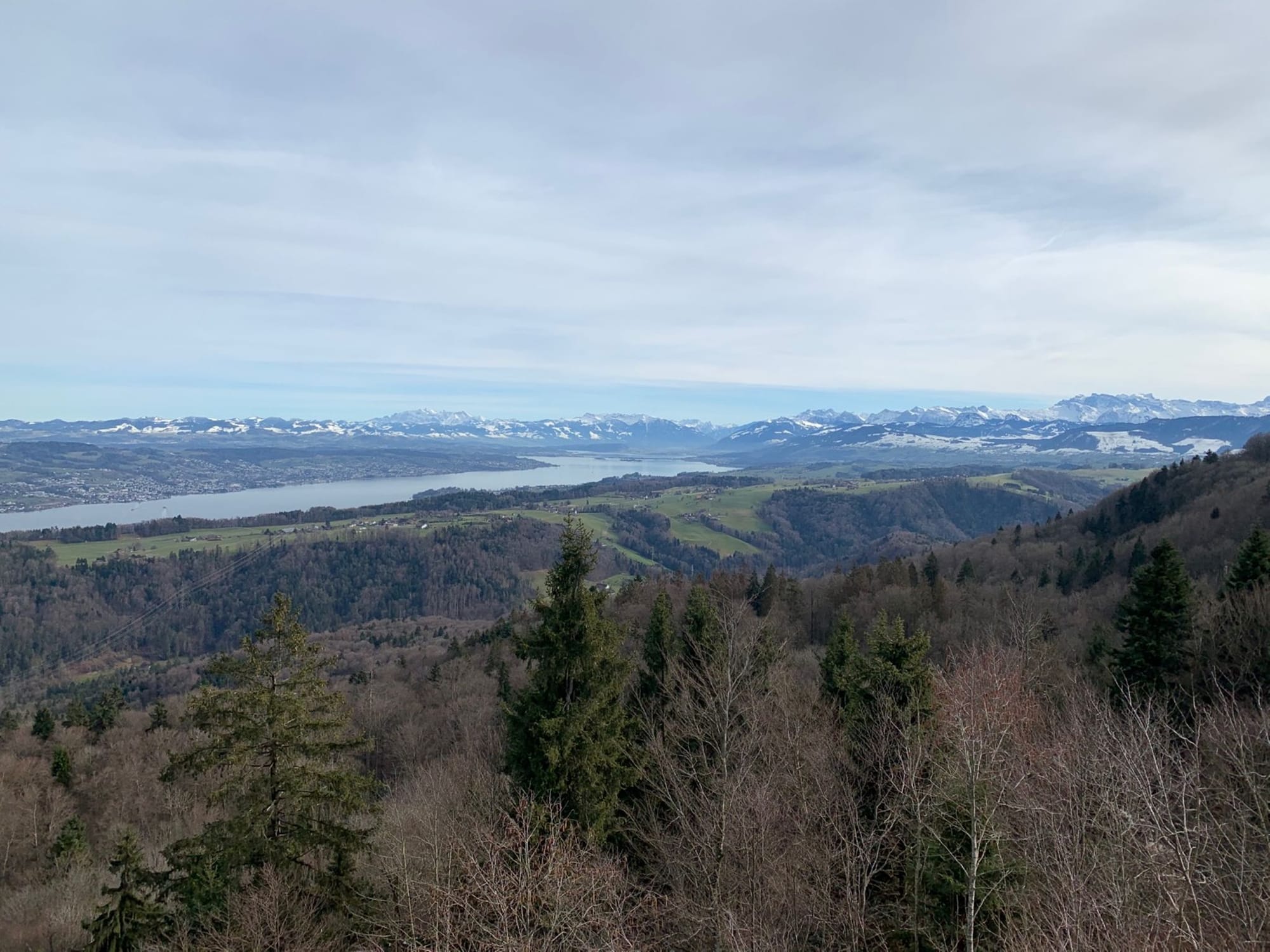
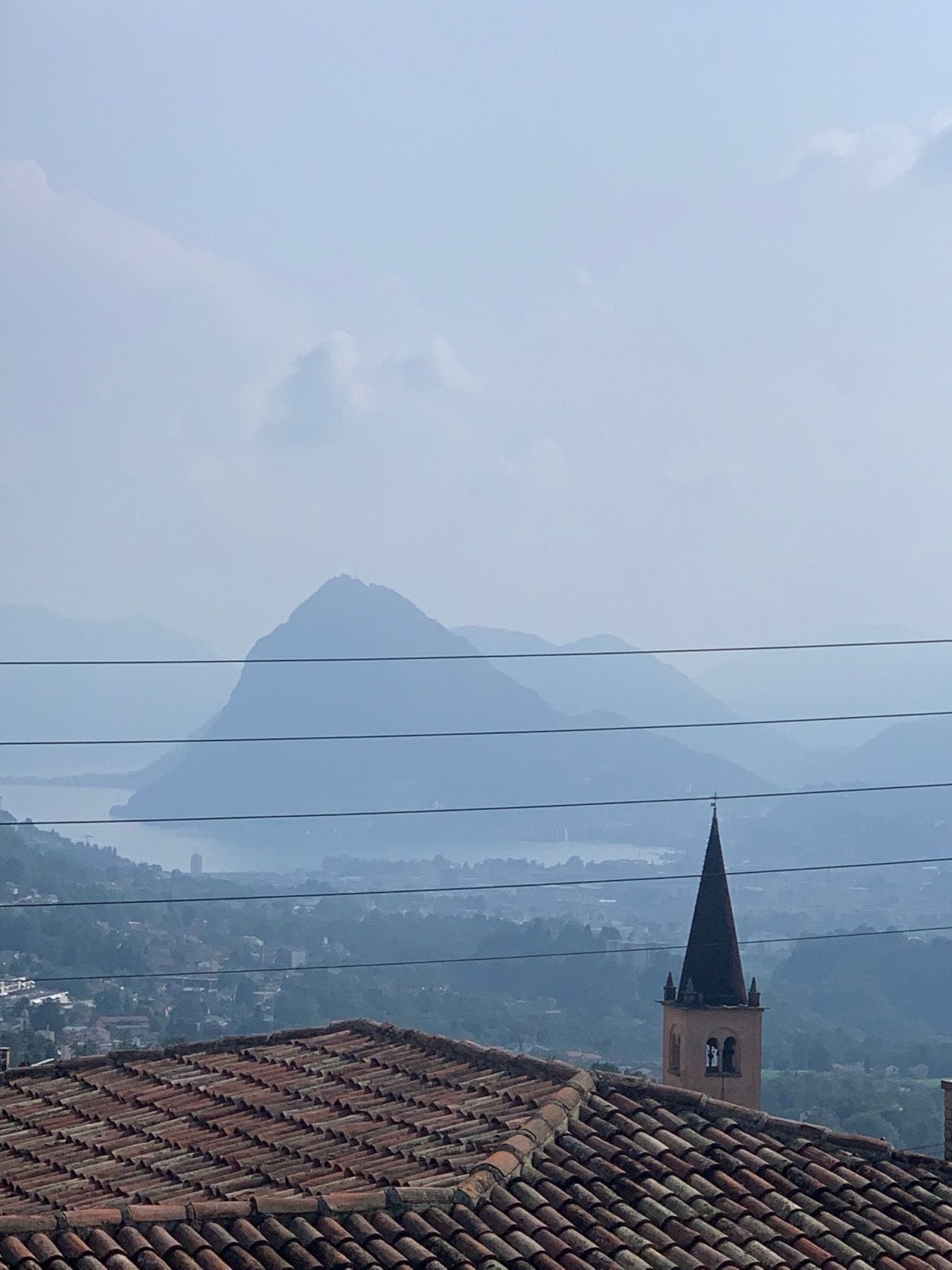
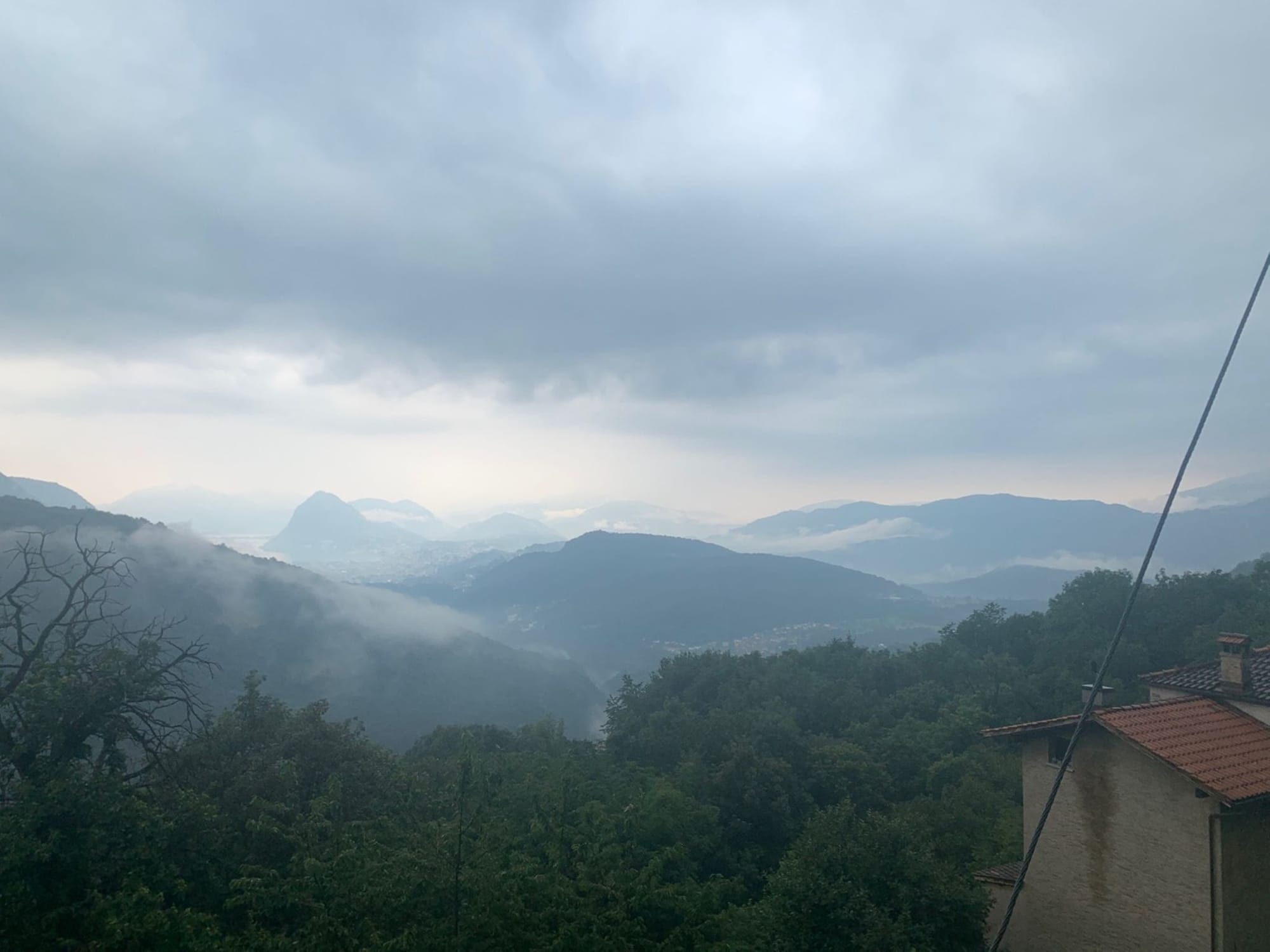
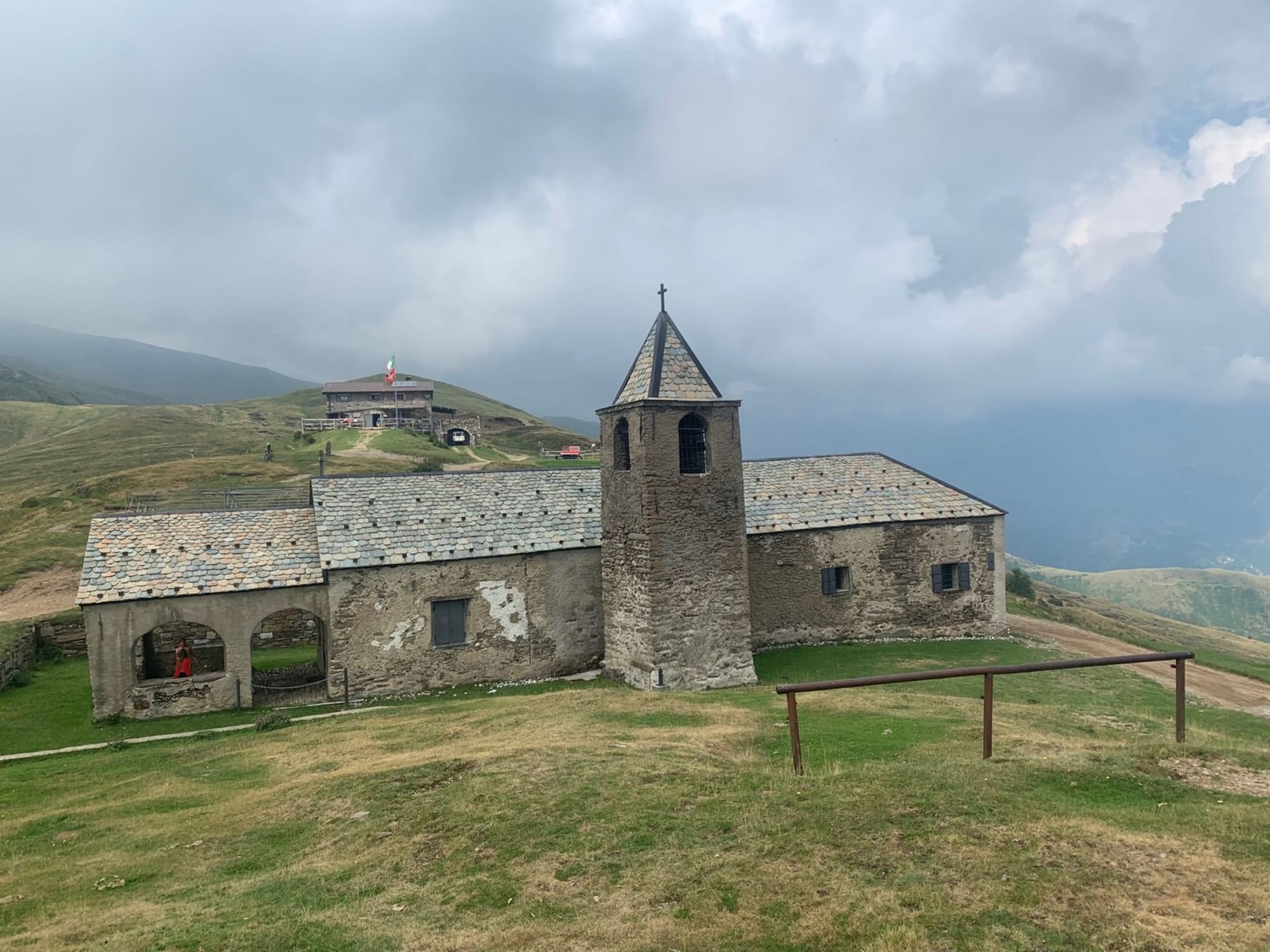
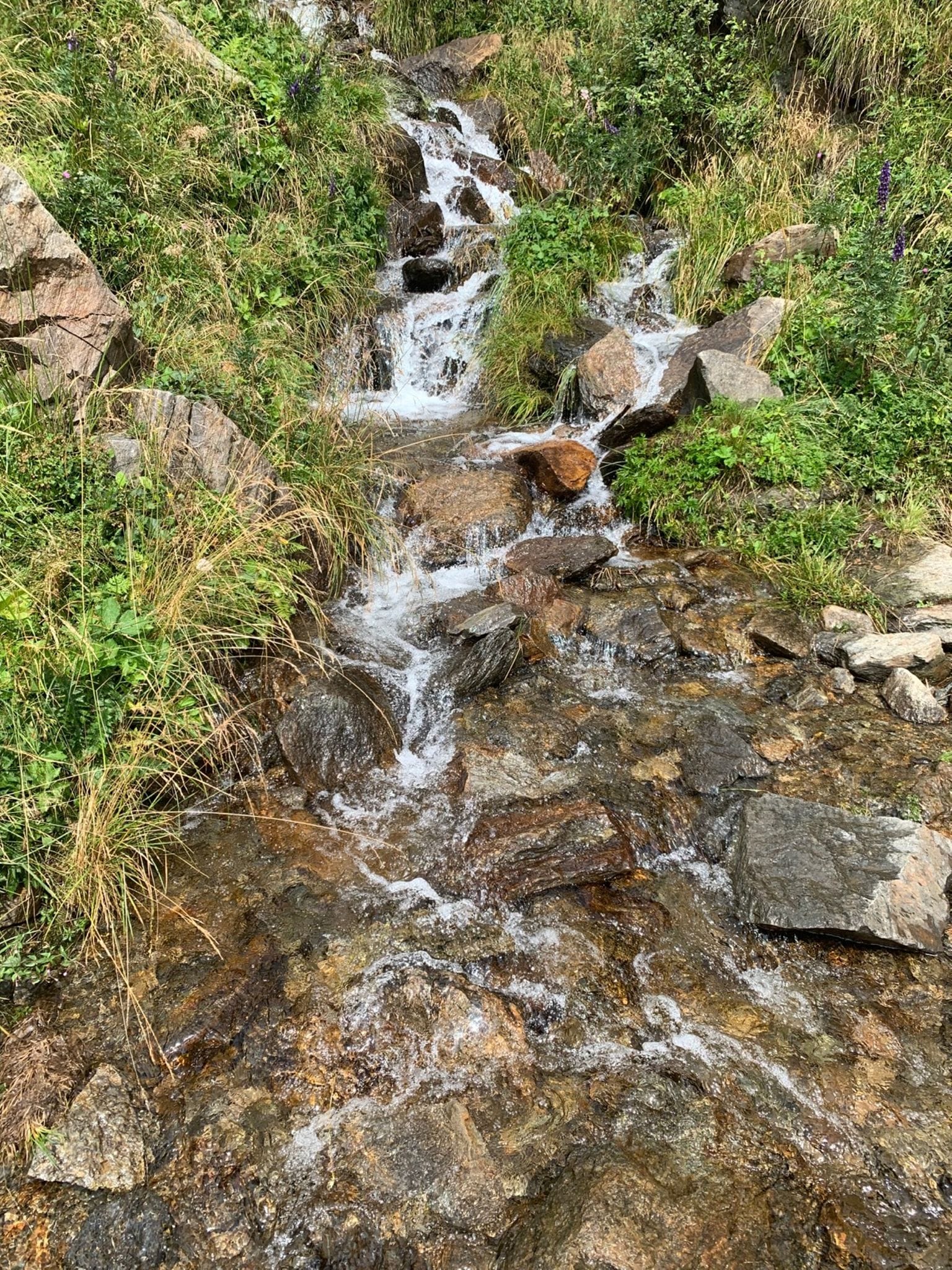
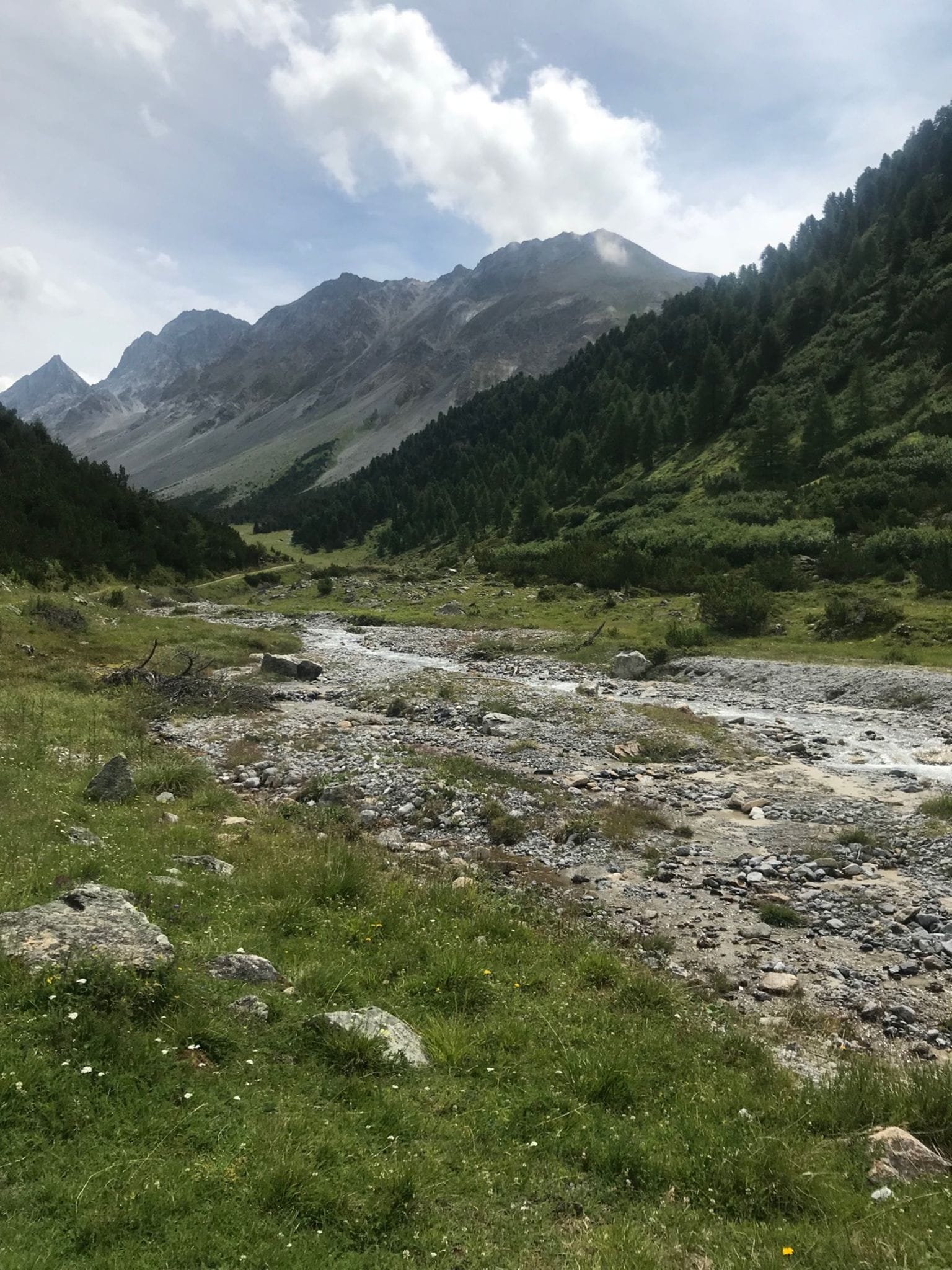
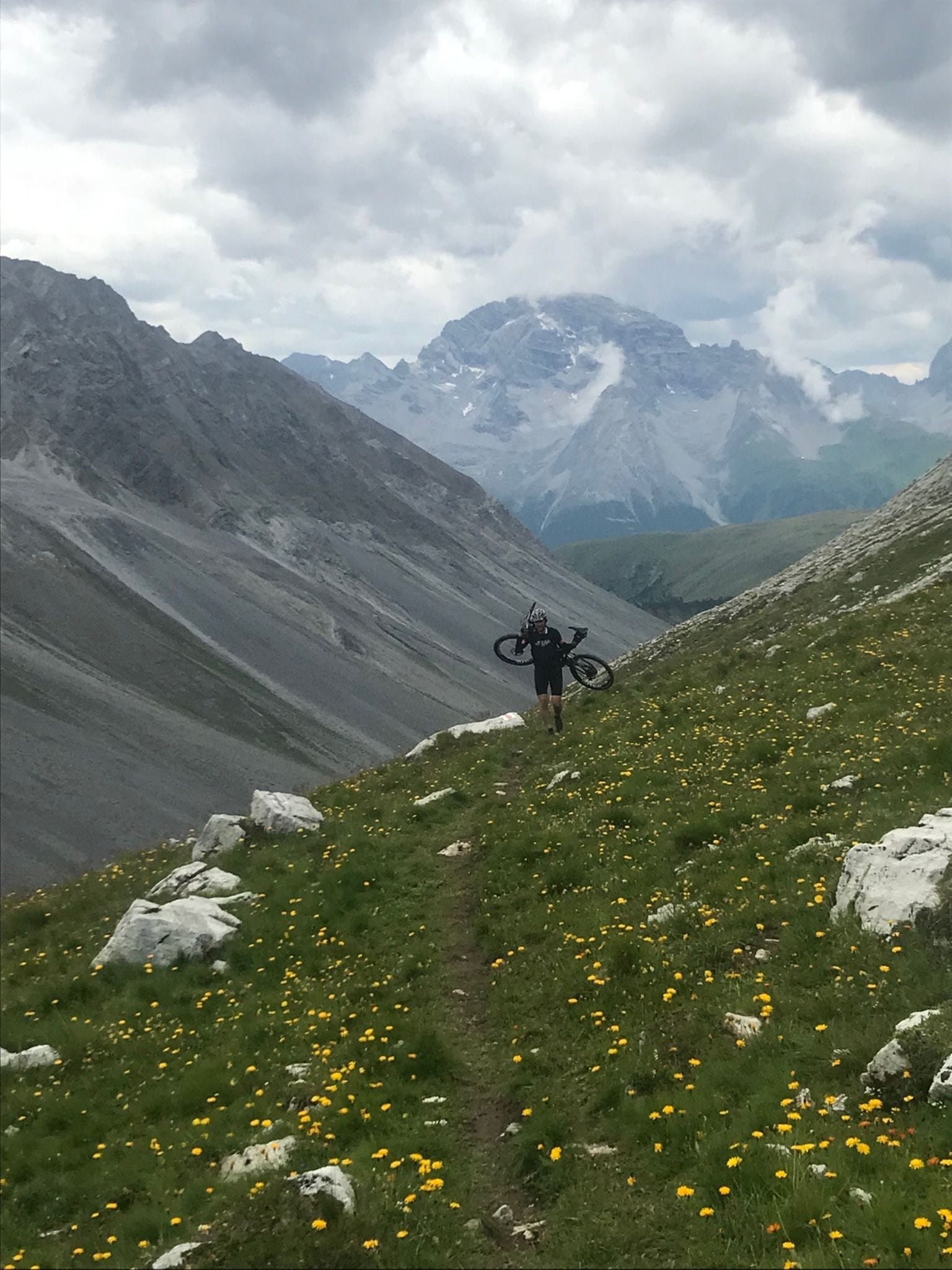
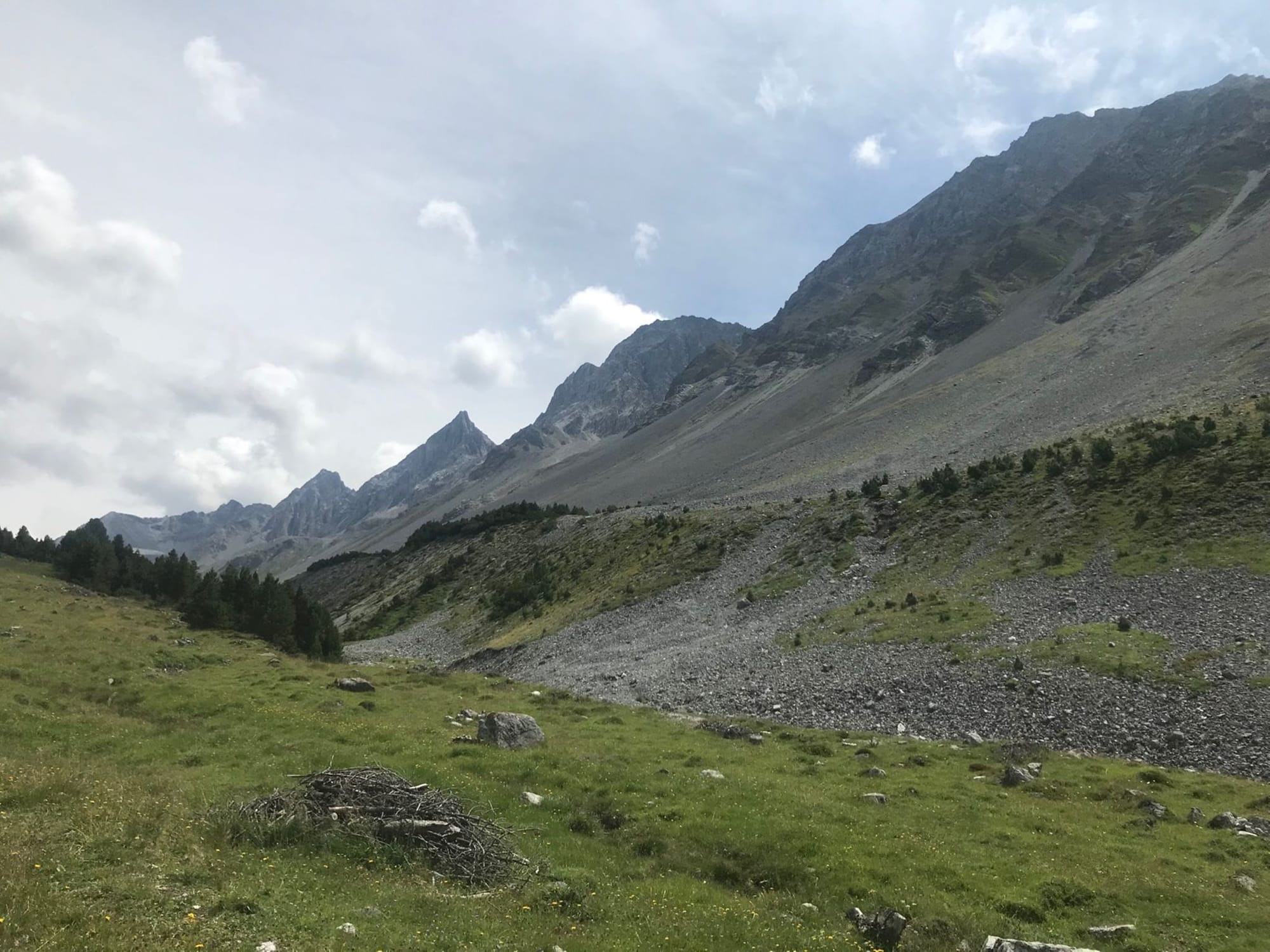
Over the next three years I experienced many of the most epic mountain bike rides one can do in Switzerland. The Pischa Trail in Davos (title picture), the Ducanfurgga, the Alps Epic Trail, Monte Bar & San Lucio, Saflischpass, Val Lavoi and the full Albis chain. Trails that I still return to on my more modern bike...
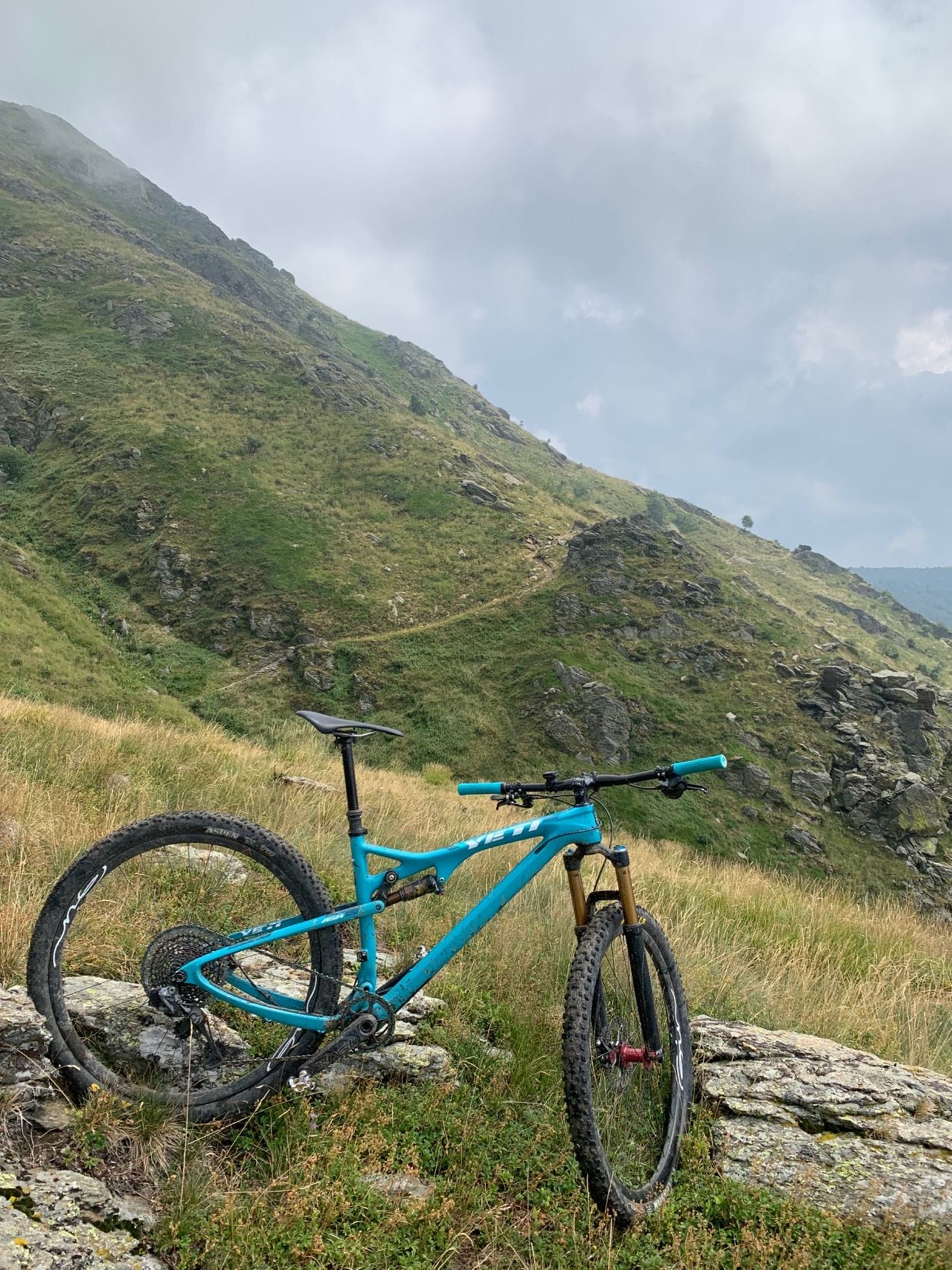
Together, we collected around 7'500 km and conquered 244k meters of altitude. Every one of this was huge fun and while I was going for a more modern geometry and contemporary mountain bike standards three years after, I left the Yeti with sadness. Luckily, it went into good hands and I hope it still gets to ride on epic terrain.
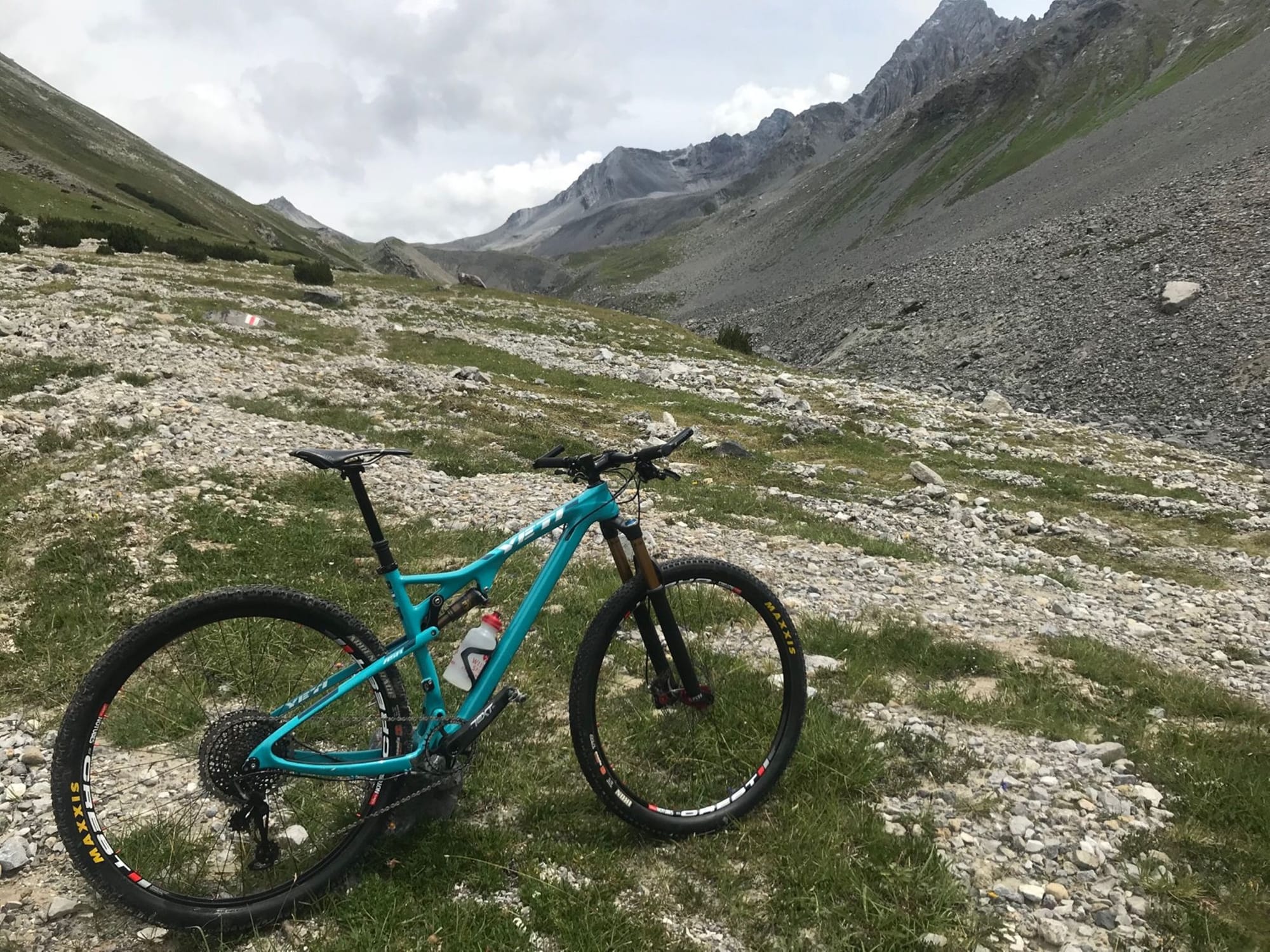
This is what it looked like when I sold it. Why it has Shimano parts on it, is a secret until I'll tell you about my next bike...
Below is a collection of the most epic rides I've done on my Turquoise Snowman:
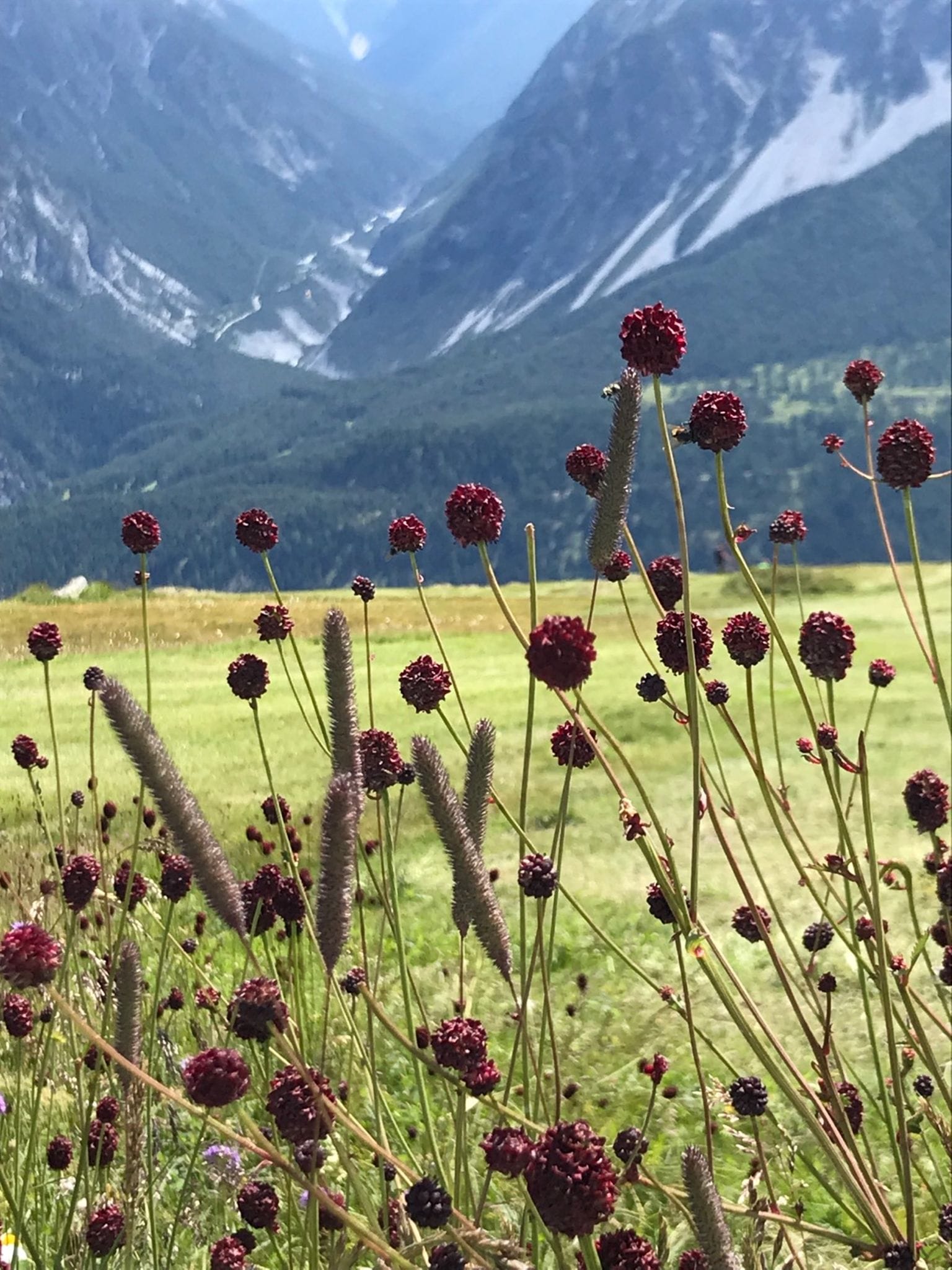
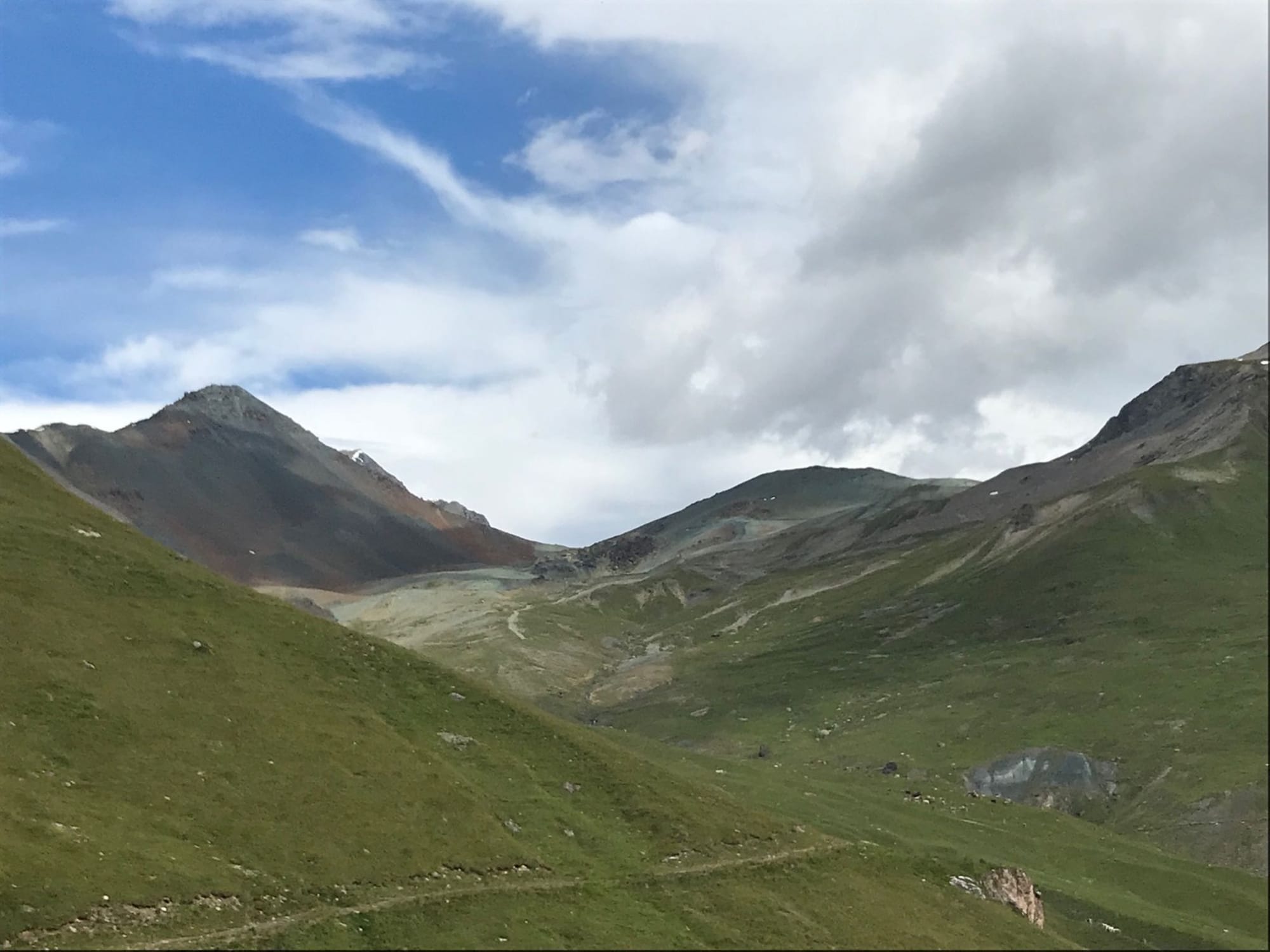
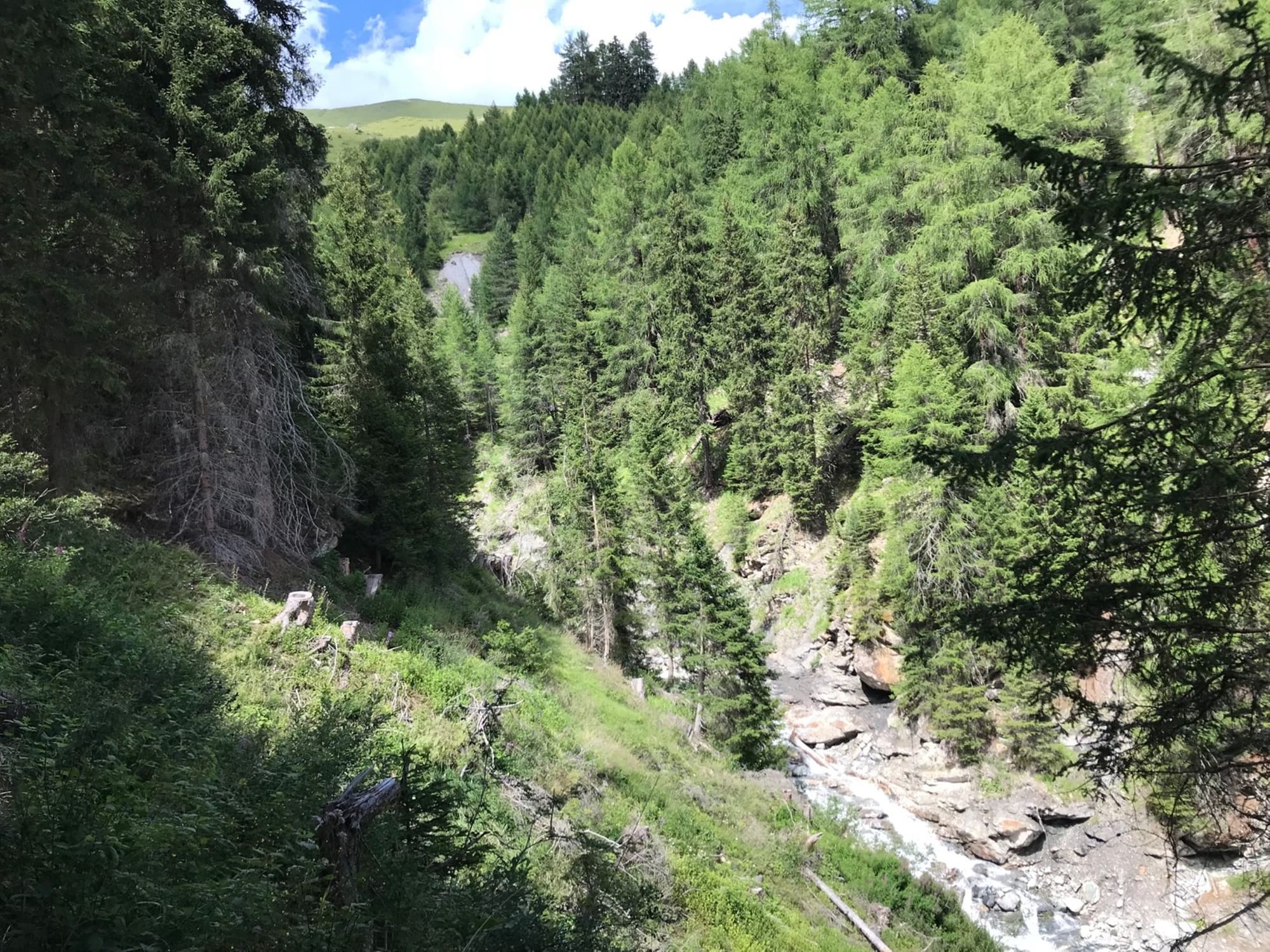
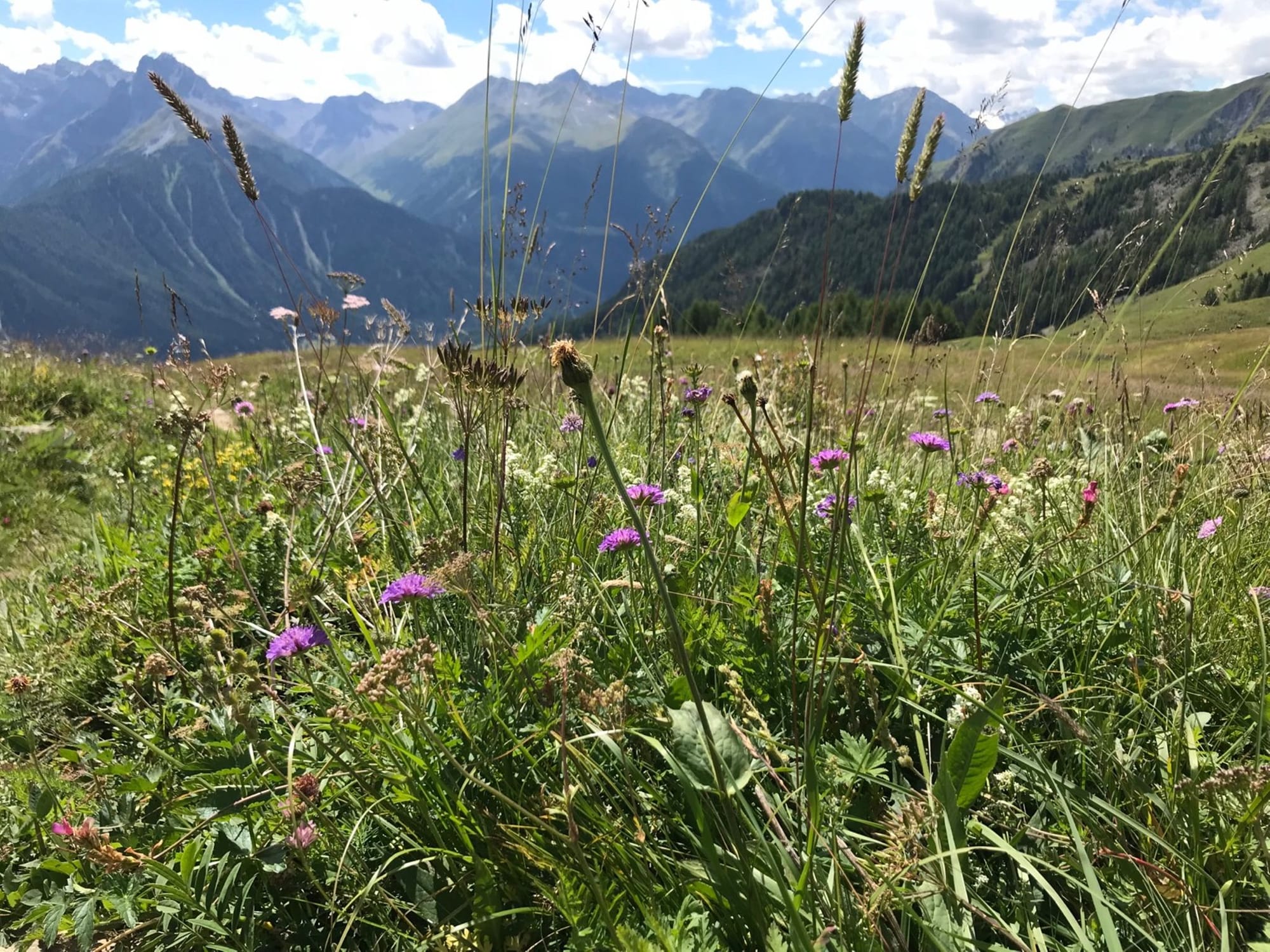
A Scuol B Scuol
Alp Clünas
- Distance
- 30.0 km
- Elevation
- 1,560 m
- Moving
- 3h 42m
 +1
+1
Oerlikon
Albiskette mit Albishorn und Zimmerbergtrail
- Distance
- 59.5 km
- Elevation
- 1,567 m
- Moving
- 4h 22m
Centro
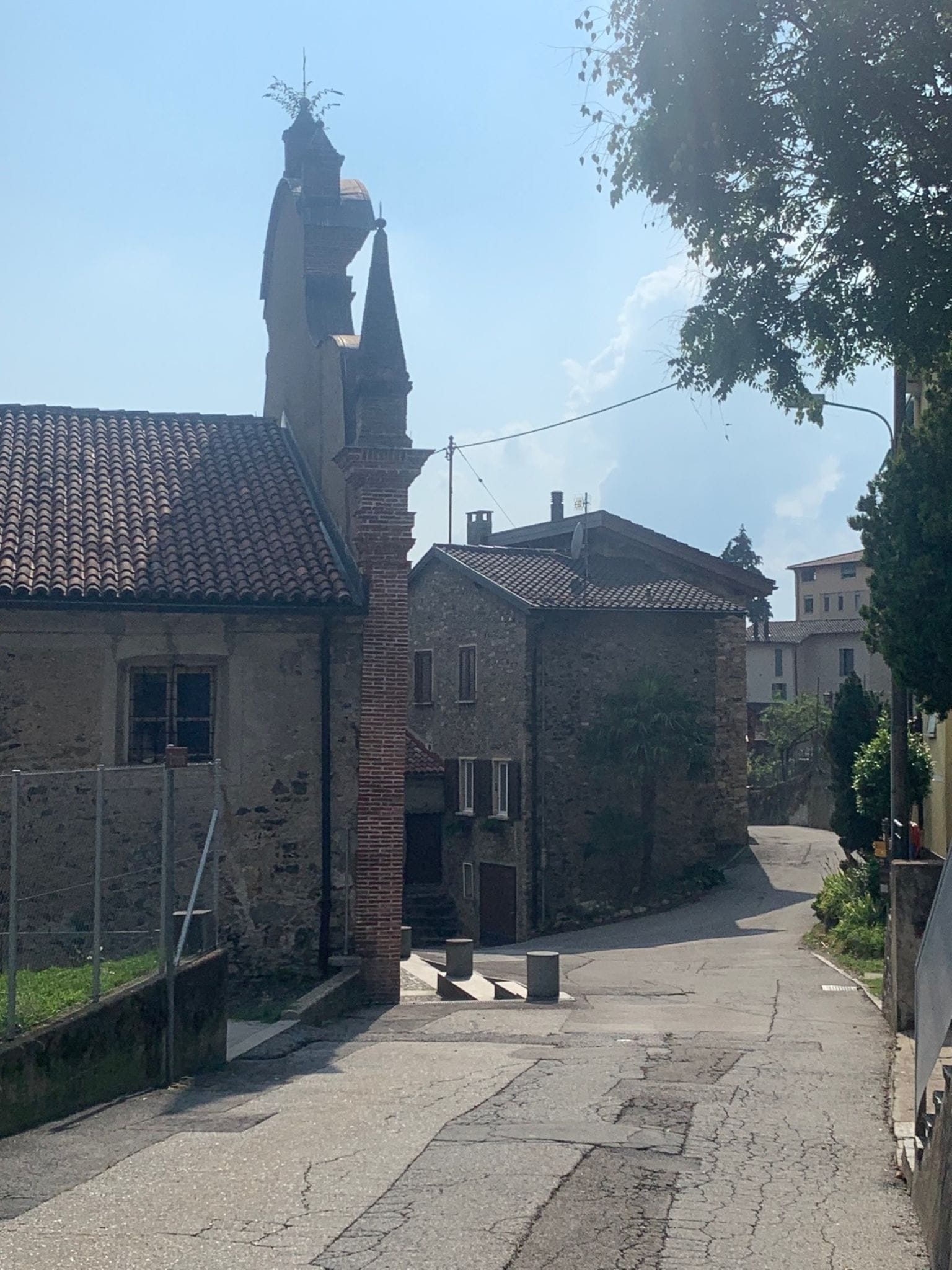
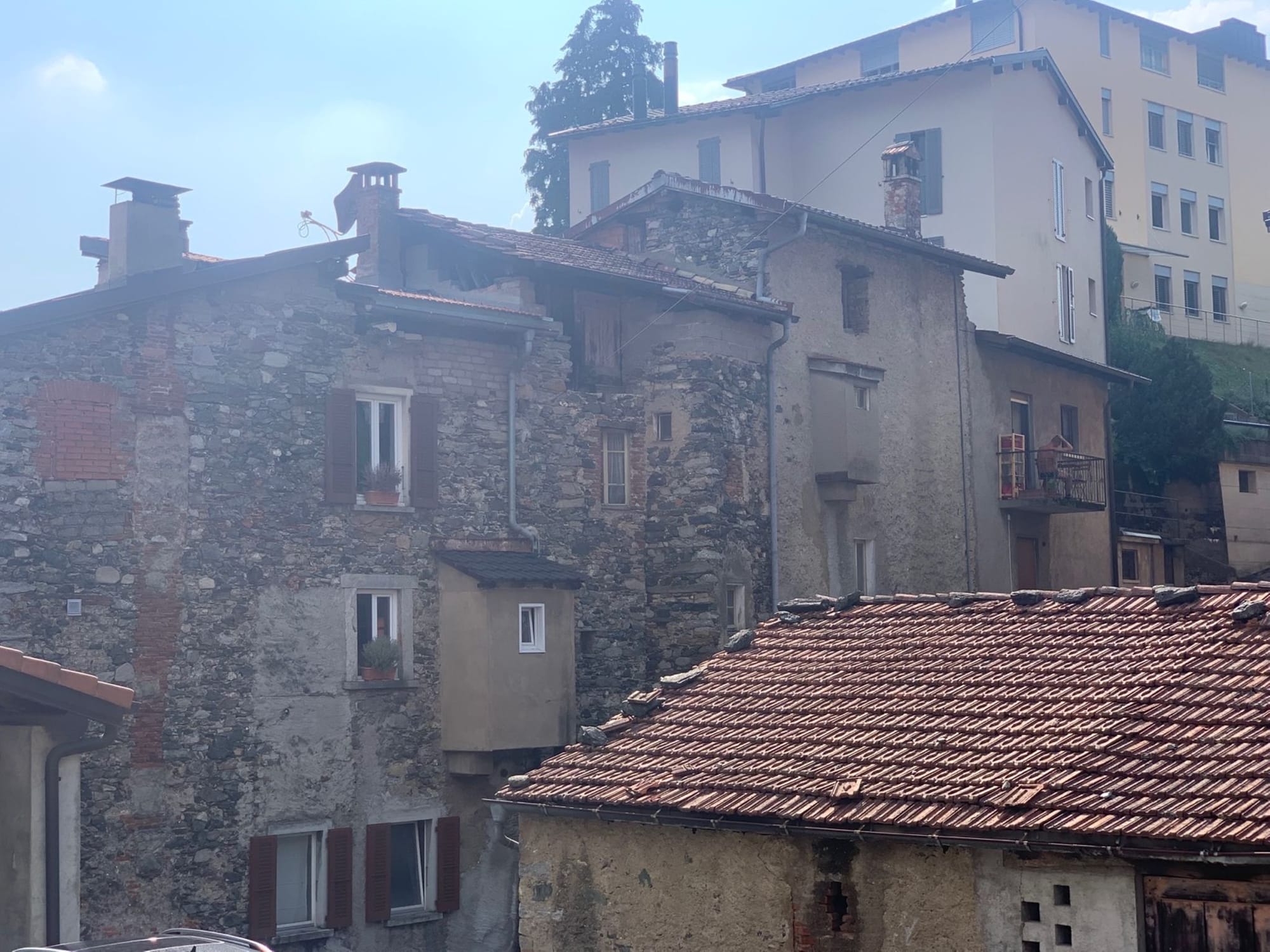
Monte Bar & San Lucio
- Distance
- 58.0 km
- Elevation
- 2,036 m
- Moving
- 4h 37m
 +4
+4
Filisur
Ducanfurgga - Hammer!
- Distance
- 59.9 km
- Elevation
- 2,784 m
- Moving
- 6h 02m
 +8
+8